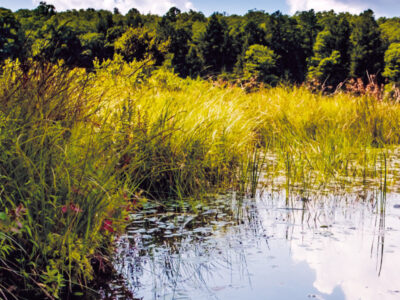
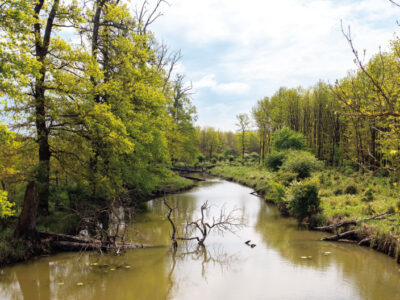
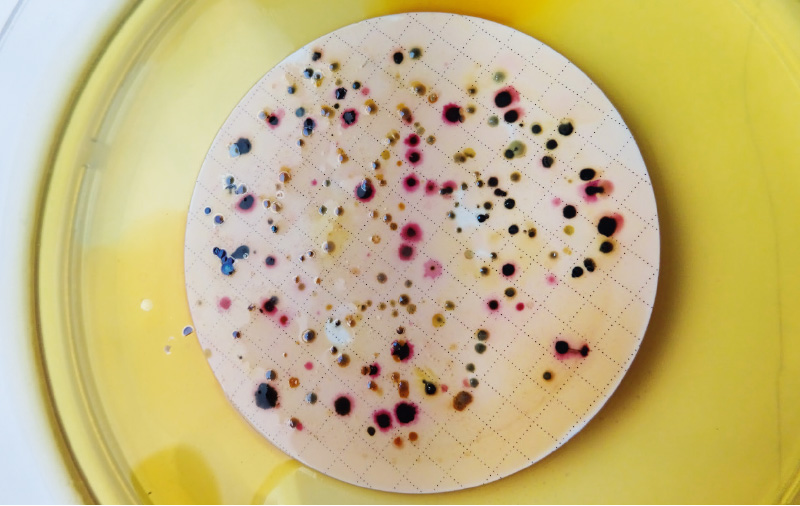
Accessible and high-quality water is a natural resource essential for life, well-being, and social prosperity. After decades of intensive exploitation, pollution and socio-economic pressure, Europe’s freshwaters and seas are at risk of degradation. This has to be seen not only as a potential dramatic loss from an economic point of view, but also it means unpredictable ecological, social, and cultural damage. The European Commission has responded to this challenge by creating the research and innovation mission Restore our oceans and waters; with a 2030 target, the aim is to provide a systemic approach for the restoration, protection and conservation of oceans and freshwater. In 2022–2025, a development and pilot phase has been underway, during which four so-called Mission Lighthouses were launched. “The Danube Regional Water Lighthouse Action” (DALIA) aims to significantly contribute to the improvement of the state of the Danube basin; it is financed by the European Union under the Horizon Europe programme with a total subsidy of € 8,499,236. The basin is home to almost 80 million people and extends over 19 European countries, which is exceptional even on a global scale.