

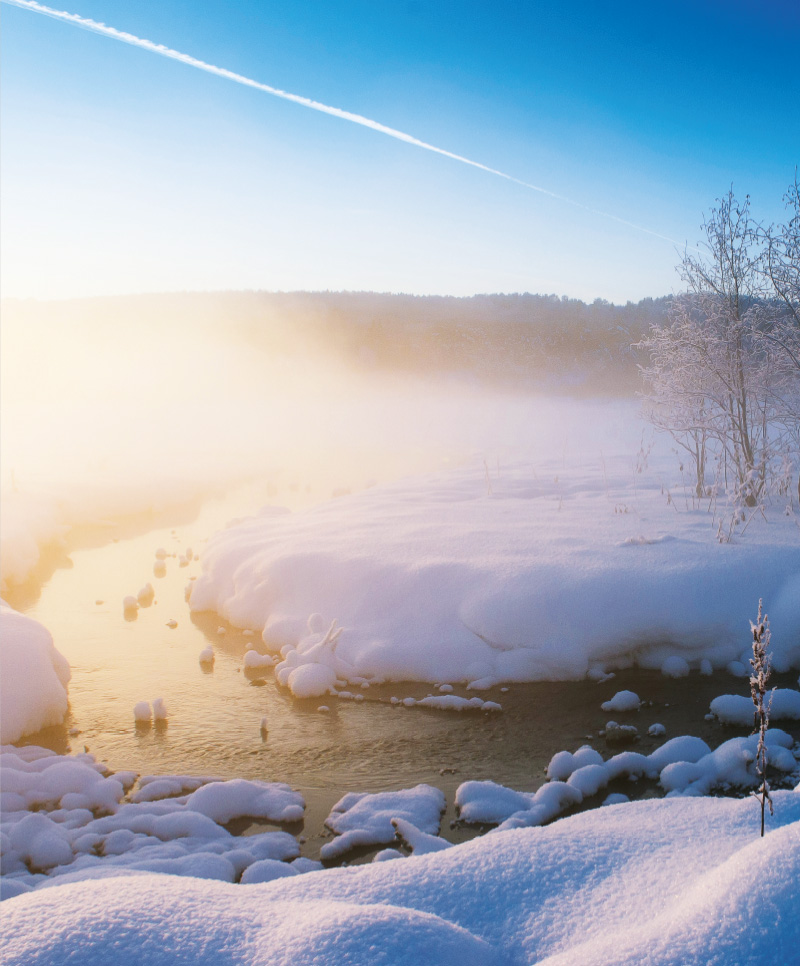
Environmental objectives and aquatic environment limits for stone crayfish
The stone crayfish (Austropotamobius torrentium) is a critically endangered species listed on the Red List of Invertebrates of the Czech Repub-lic. It is protected under Decree No. 395/1992 Coll. and designated as a priority species according to Council Directive 92/43/EEC on the conservation of natural habitats, wild fauna, and flora. It is generally assumed that stone crayfish requires water quality that meets at least the emission limits for salmonid waters as defined by Government Regulation No. 71/2003 Coll., as amended, and also by Government Regula-tion No. 401/2015 Coll., as amended. Stable and abundant populations, however, require stricter environmental objectives, both in terms of limit values and the range of monitored parameters. To establish these objectives, 14 sites were selected. These sites are either unaffected or only slightly influenced by human activities, with confirmed current occurrence of stone crayfish or historical presence where disappearance was probably due to crayfish plague.
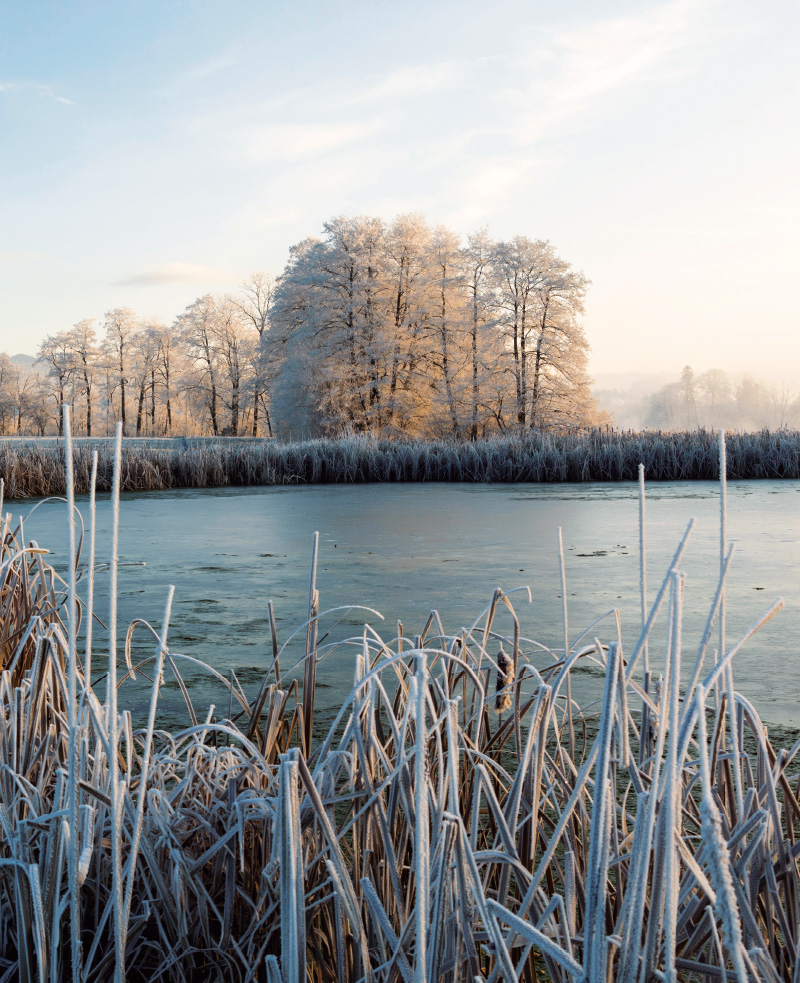
The jewels of our running waters and their protection
Freshwater ecosystems are among the most threatened habitats in the world [1]. This is the result of many factors that, individually and in combination, directly affect the degradation of freshwater ecosystems. The biggest problem for these habitats is climate change. Its consequence is drying up, as well as many anthropogenic negative impacts, such as eutrophication, drainage, introduction of invasive species, and overall environmental degradation [1]. Given these facts, species inhabiting sensitive aquatic environments are among the most endangered plant and animal species in the world.
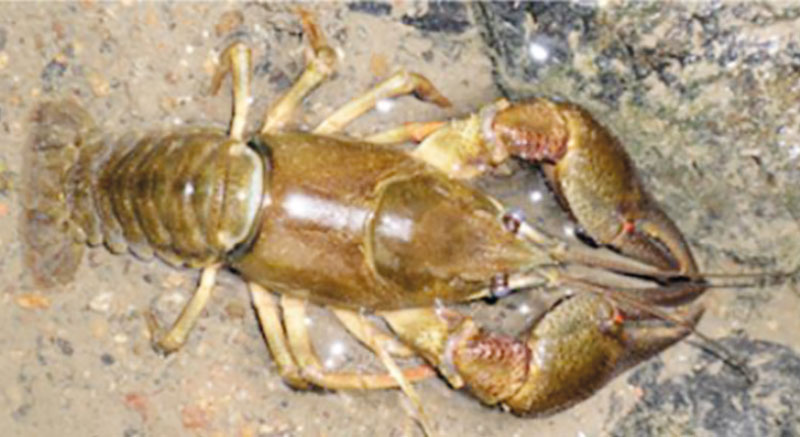
Native versus invasive crayfish in the Czech Republic
A decrease in species diversity is a negative consequence of many human activities. The number of native animal and plant species is decreas-ing, their populations are shrinking or completely disappearing, the number of endangered species is increasing, and non-native species are spreading. Global problems are perhaps most evident in the example of freshwater ecosystems.
Invasions of non-native species, associated with high cultural-sociological and economic losses, are currently considered one of the most sig-nificant factors in the decline of species diversity. For these reasons, the issue of non-native species is receiving considerable attention world-wide.
There are currently six species of crayfish living in the wild in the Czech Republic, of which only two are native: noble crayfish (Astacus asta-cus) and stone crayfish (Austropotamobius torrentium). Narrow-clawed crayfish (Astacus leptodactylus) is a European species but not native to the Czech Republic. Other species – signal crayfish (Pacifastacus leniusculus), spiny-cheek crayfish (Orconectes limosus), and marbled crayfish (Procambarus fallax) come from North America and are invasive species [1, 3].
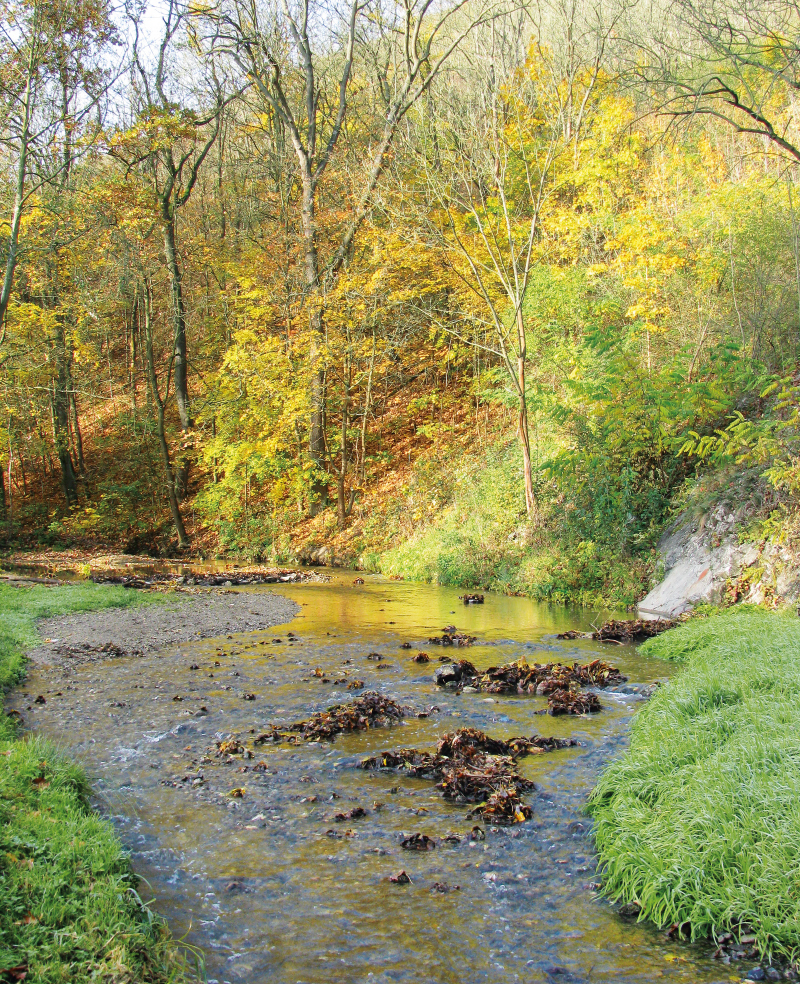
Water quality and state of aquatic invertebrate populations in small watercourses in Prague
The aim of this paper has been to evaluate the ecological status of small watercourses in the capital city of Prague by analogy to the evaluation of water bodies pursuant to Directive 2000/60/EC. A total of eight sites were selected at seven watercourses (Šárecký, Dalejský, Radotínský, Libušský, Kunratický, Botič and Rokytka Streams). Both sections that are semi-natural and those that have been restored in various ways were selected. From May 2017 onwards, annual sampling of chemical indicators took place in selected sites and a standard multihabitat method was used to take samples of aquatic invertebrates (macrozoobenthos).
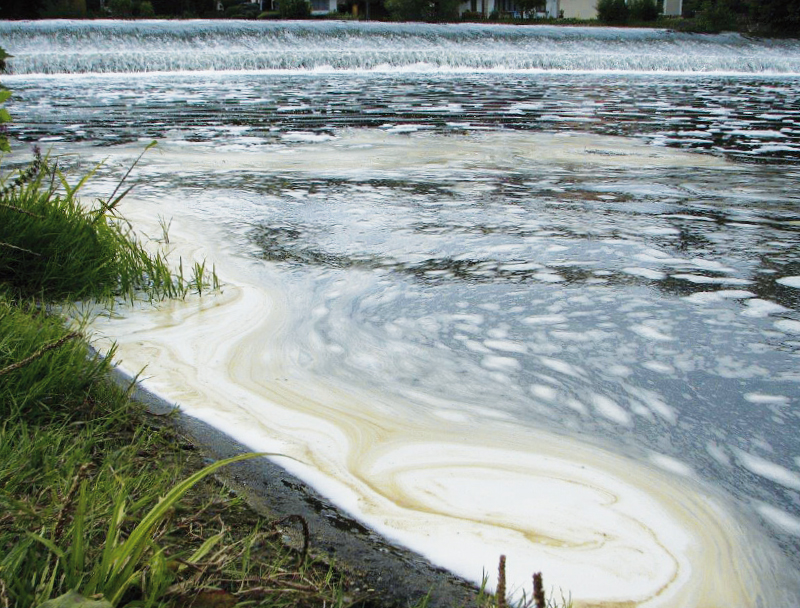
The mass death of Unio crassus in the Ohře River
Ohře is one of the rivers, which retained in part the original structure of the flow with the presence of shallower, more flowing sections with deeper pools and fountains. This is the reason why there are several protected animals in the Ohře, for which the well-known European locality (EVL) was declared on the river Ohře.
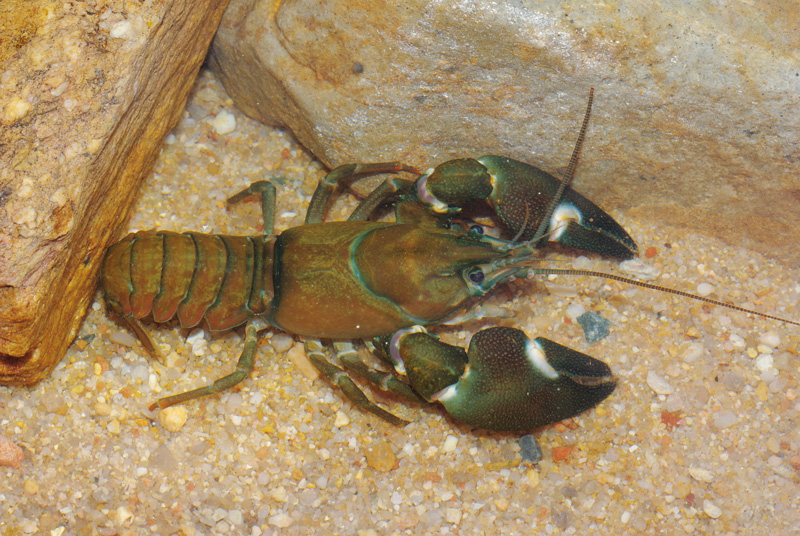
Periodic droughts in streams: the next negative factor influencing crayfish populations
Periodic droughts in small streams are caused by climate changes but also by the inappropriate management of precipitation and surface water. If these factors act simultaneously, water level rapidly declines even up to the complete drying up of long sections of the stream.