

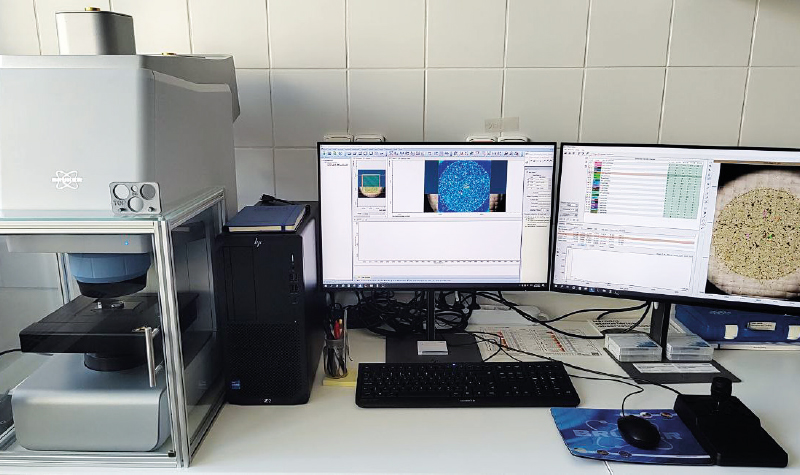
Microplastics in waters: The first accredited laboratory in the Czech Republic at the TGM WRI
Microplastics, defined as particles of synthetic polymers smaller than 5 mm, represent one of the most intensively studied environmental issues of the present day. The increasing research interest in microplastics is also reflected in the legislative sphere. European legislation requires the implementation of microplastics monitoring in drinking water through an amendment to the EU Directive on the quality of water intended for human consumption (Commission Decision 2024/1441). Similar requirements are expected soon for surface waters following the adoption of the relevant Directive of the European Parliament and of the Council amending Directive 2000/60/EC (Water Framework Directive). In response to this context, and with the aim of providing a reliable analytical background, a specialised Laboratory for Microplastics Analysis was established at the Brno branch of the TGM Water Research Institute (TGM WRI), which has been intensively engaged in this field since 2023.
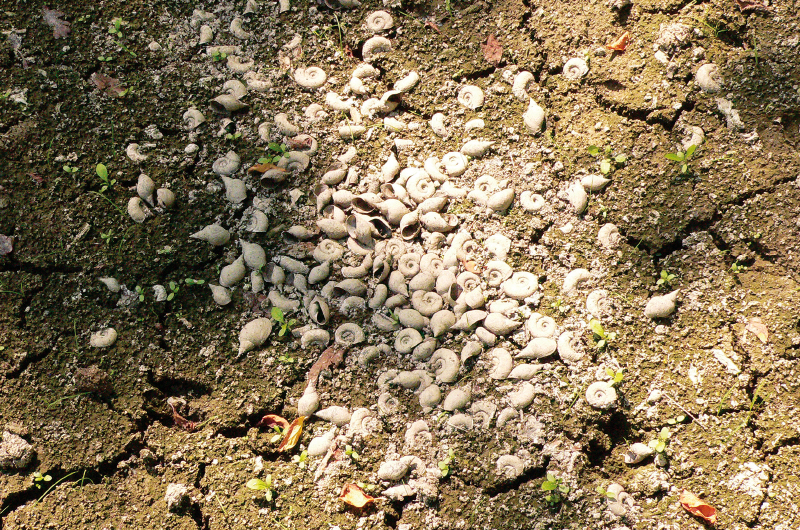
River basin monitoring to assess the impact of nature-friendly measures
As part of the Drought project, a comprehensive monitoring of watercourses and land in their catchment areas was launched in the Czech Republic to assess the impact of the implementation of revitalization actions to protect against the effects of drought.
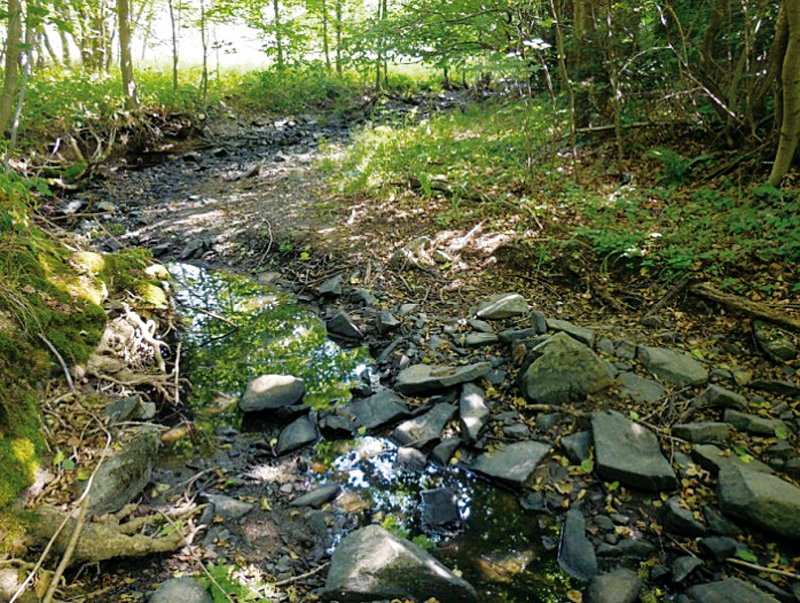
Evaluation of the impacts of drought on aquatic and water-bound organisms in surface water bodies
Within the framework of the sub-task “Evaluation of the impacts of drought on aquatic and water-bound organisms in surface water bodies“ a project involving activities to support the state administration in the drought issue in 2016 was prepared mainly a review of the potential impacts of drought on individual elements and indicators of water status assessment.
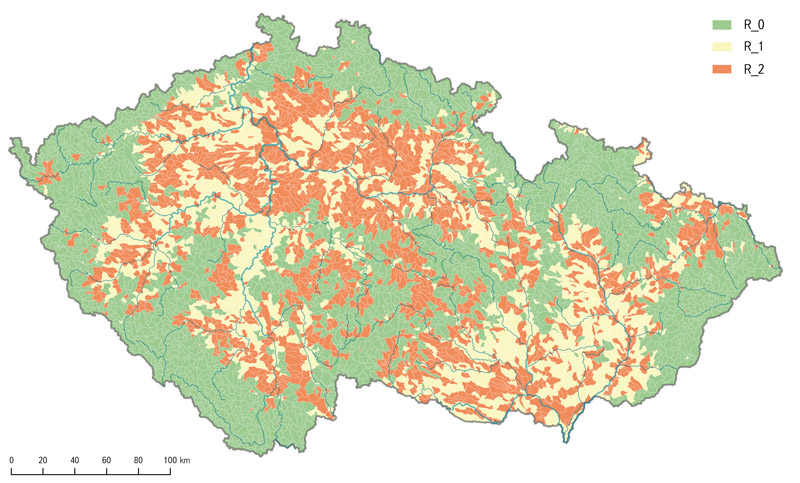
Risk assessment of drying up of small streams in the Czech Republic
A categorization of the Czech Republic territory in terms of the risk of drying up of small streams (1st to 4th order by Strahler) was proposed. Three levels of risk (low, medium and high) for basic hydrological units (catchment) were set. The risk levels were defined using selected abiotic characteristics of the hydrological units and their combinations.