

ABSTRACT
The study examines the effects of river network fragmentation on populations of rheophilic fish species in the Rolava and Ohře river basins, with particular emphasis on assessing fish passage and the effectiveness of restoration measures. An analysis of the river inventory indicates a high degree of anthropogenic disturbance in the Rolava; of the 41 transverse structures identified, more than half constitute critical barriers over 0.6 m high that most native fish species are unable to overcome. Ichthyological surveys conducted between 2022 and 2025 showed that, while the section below the key barrier in Rybáře supports a species-rich community, including specially protected species such as the European bullhead (Cottus gobio) and European brook lamprey (Lampetra planeri), isolated sections above the weir exhibit lower diversity and a higher proportion of non-native species. Radiotelemetry monitoring of brown trout (Salmo trutta) migrating across restored weirs in Nová Role confirmed the high effectiveness of the fish passes (88–100 % success rate) and the ability of fish to use the restored river continuum. This was accompanied by an increased occurrence of brown trout fry, although the specific conditions in the year concerned may also have played a role. The findings indicate that restoring fish passage at the remaining critical barriers in Karlovy Vary is essential for the recolonisation of the river by native ichthyofauna and the long-term sustainability of populations that cannot currently be effectively stabilised even through intensive artificial stocking.
INTRODUCTION
River environments were historically dynamic systems characterised by natural meandering and highly diverse channel morphology. However, increasing anthropogenic pressure has resulted in up to 95 % of aquatic ecosystems worldwide being directly affected or intensively used by humans [1], making them some of the most degraded habitats in existence [2, 3]. This transformation – including channel straightening, culverting, and the construction of weirs and sills – has in many cases turned formerly diverse watercourses into uniform channels disconnected from their floodplains. At the same time, the structure and functioning of aquatic ecosystems, and hence their ecological status, have deteriorated. According to the European Environment Agency, more than half of Europe’s rivers are in poor ecological condition [4]. The situation is similar in the Czech Republic, where engineering modifications have impaired the ecological status of tens of thousands of kilometres of watercourses [3].
Fragmentation is a major problem affecting the river network in the Czech Republic. Thousands of transverse structures are currently registered, more than 6,000 of which exceed 1 m in height and have no fish pass [5, 6]. These barriers fundamentally affect native ecosystems and have considerable impacts on fish communities, among other biota [5, 7]. The loss of suitable spawning grounds and refuges, together with habitat fragmentation, has particularly severe effects on rheophilic fish species, resulting in reduced abundance and biomass as well as lower species diversity [8–10]. However, populations of diadromous fish species, such as Atlantic salmon (Salmo salar) and European eel (Anguilla anguilla), are affected most severely, as their life cycles involve reproductive migrations between freshwater rivers and the marine environment. In the Czech Republic, these species are currently entirely dependent on artificial stocking.
Both the Rolava and Ohře underwent extensive channel modifications in the past, closely associated with the industrial development of the Ore Mountains. The earliest wooden and stone sills were constructed as far back as the 16th century to serve hammer mills and other mills, particularly around Nejdek. The work of naturalist Antonín Frič, who conducted an extensive survey of the Ohře River basin, provides important evidence of the condition of the river in the 19th century. His findings indicate that, although various weirs already existed on the Ohře at that time, the river remained passable to migrating salmon except for structures on its lower reaches at Terezín and Doksany [11].
Both rivers underwent major transformation during the 1880s, at the height of industrialisation, when the Ohře and its tributary, the Rolava, began to be systematically exploited for modern urban infrastructure and industry. In Karlovy Vary, the city purchased a mill at Tuhnice on the Ohře in 1880, commissioning its first waterworks there two years later and constructing the Tuhnice weir. On the Rolava, an industrial complex was established at Rybáře in 1885 to serve the Knoll porcelain factory, which entailed the construction of further engineered sills within the channel. These interventions significantly reduced fish passage in both rivers.
The number, type and height of individual transverse barriers are key factors when assessing fish passage. Brown trout (Salmo trutta) are capable of negotiating obstacles approximately 60 cm high, and under ideal conditions even up to 100 cm, whereas a sill just 50 cm high represents a virtually impassable barrier to most other native fish species [7, 12]. Smaller or benthic species, such as Eurasian minnow (Phoxinus phoxinus) and European bullhead (Cottus gobio), are even more sensitive in this respect. For these species, even very low transverse structures of approximately 5–10 cm can restrict passage [7, 12].
Existing transverse barriers can be made passable in several ways, with fish passes among the most commonly used solutions. Fish passes have a long history in the Czech lands: they were constructed on the Ohře near Terezín as early as 1885, during the time of Antonín Frič [13]. Their effectiveness depends on numerous factors, including how readily fish can locate the entrance, flow velocity within the pass, the overall gradient, water depth and the dimensions of the internal chambers [7]. If these characteristics do not correspond to the biological requirements and swimming abilities of particular species, the result is selective passage, whereby the structure remains a barrier to some of the fish community [7, 12]. Ensuring free fish migration should therefore be a priority, not least in order to meet the objectives of the Water Framework Directive [14].
This study aims to assess fish passage along the Rolava and compare commonly used methodological approaches. A further objective is to predict the ecological effects of restoration measures, specifically the effects of restoring river continuity in the Rolava and Ohře on species composition and biodiversity.
MATERIALS AND METHODS
Study area
The study area is located in the northern part of the Karlovy Vary Region and comprises the Rolava River and the adjoining section of the Ohře. The Rolava (36.7 km long; catchment area 137.3 km²) rises in the Ore Mountains at an elevation of 920.8 m above sea level. Its average gradient is approximately 1.5 %, although it exceeds 2 % in the middle reaches. To provide flood protection for built-up areas in Nejdek, Nová Role and Karlovy Vary, the channel was engineered and stabilised with retaining walls and embankments during the 1960s and 1970s. The steep gradient and anthropogenic modifications to the river necessitated the construction of transverse structures (weirs and sills). These barriers reduce the overall gradient but also fragment the river network and impede longitudinal fish migration. In Karlovy Vary, the Rolava flows into the Ohře at river km 171.6; the historical significance of the latter is reflected in its Celtic name, Agara, meaning ‘salmon river’.
According to the classification of A. Frič [15, 16], the Rolava belongs to the trout-to-grayling zone owing to its steep gradient, rapid flow and cold, highly oxygenated water. By contrast, the Ohře represents the barbel zone, characterised by a gentler gradient, slower flow and higher water temperatures with naturally lower oxygen concentrations. While the Rolava provides habitat for cold-water salmonids, the Ohře is characterised by fish species that prefer deeper, warmer and more nutrient-rich environments, such as Barbus–Chondrostoma communities
Fish community composition
To determine changes in the fish community of the Rolava and the adjoining section of the Ohře, the available scientific literature and publications were reviewed. Given the limited amount of published information, fisheries statistics from the Czech Anglers Union (catch records and stocking records) for the Rolava 1A, Rolava 1B, Rolava 2, Ohře 13 and Ohře 14 fishing grounds were also included in the assessment. Although these data have certain limitations, they can provide an important basis for interpreting long-term changes in the fish community.
As historical sources and statistics generally lack precise data on population abundance or size structure, these records were evaluated qualitatively in terms of species presence or absence. This provided a basic comparative framework for assessing long-term changes in species diversity within the study area.
The current status of the fish community was determined by field monitoring focused on the lower reaches of the Rolava, from Nová Role to its confluence with the Ohře in Karlovy Vary. Monitoring also covered the immediate vicinity of the confluence, which is particularly important in terms of fish migration. Surveys were conducted at eight sites on 18–19 May 2022, 27 June 2023, 17–18 April 2024 and 20 May 2025. Six sites were located on the Rolava (a 100 m section downstream of each transverse barrier), with a further two 100 m sites on the Ohře in the vicinity of the confluence (Fig. 1).
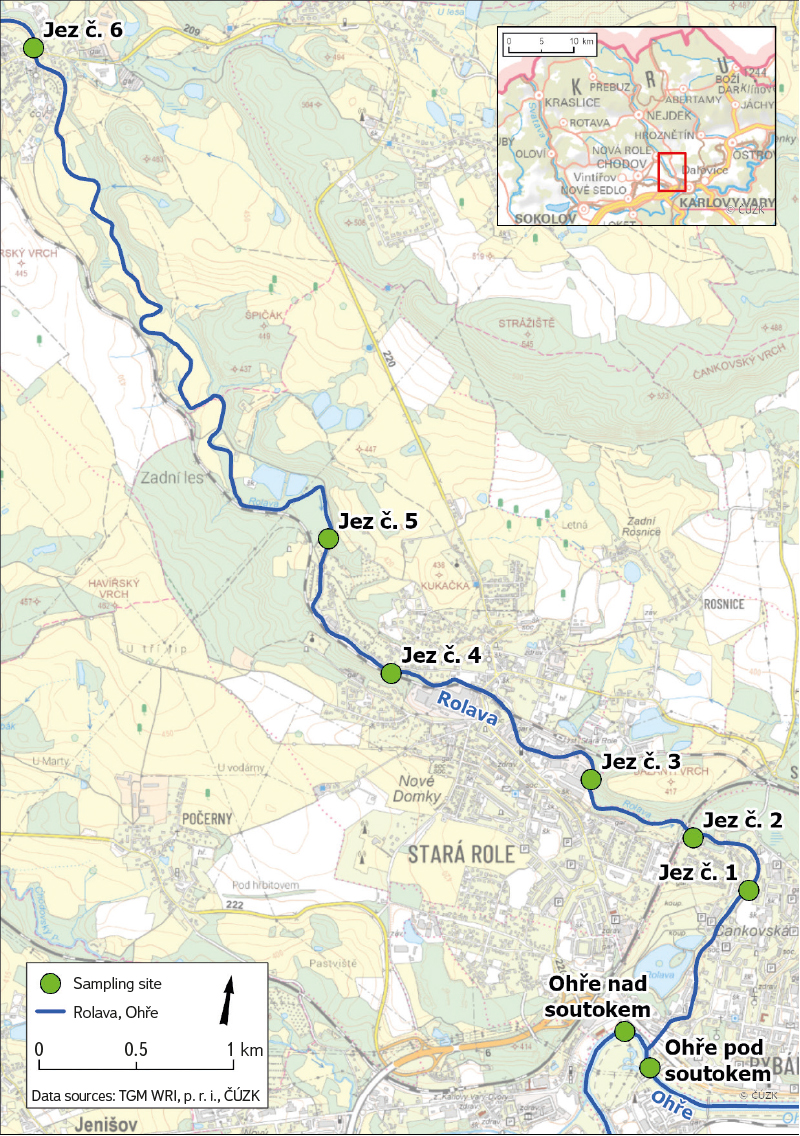
Fig. 1. Geographical distribution of eight monitored sites on the lower reaches of the Rolava river and the adjacent reach of the Ohře river
Fish were sampled by electrofishing in accordance with applicable Czech legislation. Continuous wading electrofishing, as described in detail in [2], was used for sampling. Fish were captured using an ELT 60-IIH petrol-powered backpack electrofishing unit (300–500 V, pulsed DC; Hans Grassl GmbH, Schönau am Königssee), equipped with a 2 m pole with a circular anode 30 cm in diameter and a mesh size of 4 mm. Each section was fished twice consecutively, with the transverse structure in the watercourse serving as the boundary at which sampling ended. All captured fish were subsequently identified to species. Standard length (SL) and total length (TL) were measured for each individual to the nearest 1 mm.
Assessment of fish passage
Several methodological approaches were used to provide a comprehensive assessment of fish passage along the Rolava. The initial assessment was based on data from the Passportization of watercourses, followed by biological monitoring using radiotelemetry. Finally, data from fish sampling conducted downstream of each barrier were used as an additional basis for assessing fish passage.
The first stage of the analysis used data from the mapping of watercourses and wetlands contained in the Passportization of watercourses [17], which records the height of each barrier and whether a fish pass is present or absent. The barriers between the confluence with the Ohře and Nová Role were subsequently also assessed directly by the assessors.
In the next stage, biological monitoring of fish migration using radiotelemetry was conducted from 30 September 2021 to 11 October 2022 at two restored sills on the Rolava (river km 8.8 and 9.2) in Nová Role. A total of 56 brown trout were tagged. Guidelines for assessing fish passes [18] recommend monitoring one or two indicator species by telemetry in small watercourses within the trout zone. However, previous findings [19] showed that brown trout was the only species occurring in sufficient numbers and of a suitable size in the section concerned. Adult fish (n = 40) were fitted with NTF-6-2 transmitters (Lotek, Newmarket, Canada), while juveniles (n = 16) were fitted with NTF-5-2 transmitters (Lotek, Newmarket, Canada). The transmitters were programmed to frequencies of 138.30 MHz and 138.42 MHz, with pulse intervals of 5.0–5.5 s. Fish were collected by electrofishing directly within the study area on 29 September 2021. To stimulate upstream migration, some tagged individuals were translocated to a different sector. This enabled their ability to negotiate barriers to be tested by exploiting the homing effect, i.e. their tendency to return to their original home range (see Fig. 2 for further details).
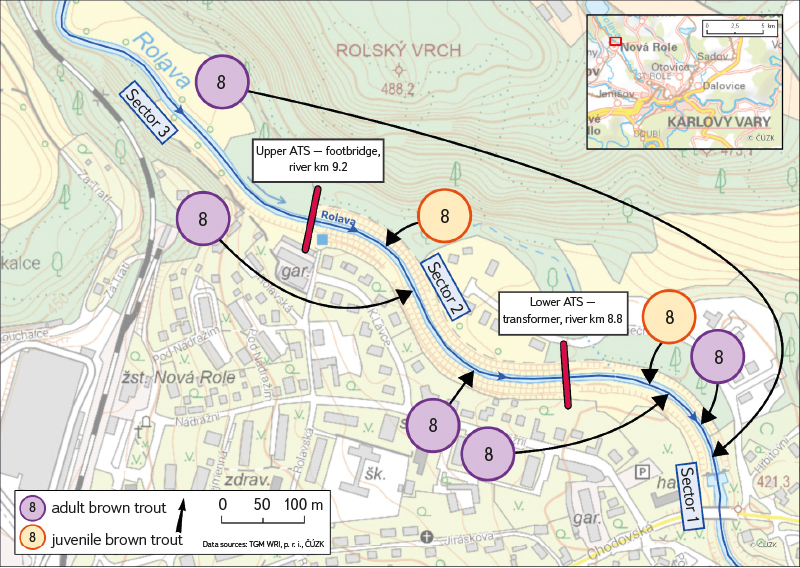
Fig. 2. Division of the study area into sectors and the release of fish within individual sectors of the Rolava river; arrows indicate whether fish were released into the same sector in which they were captured or translocated to a different sector to encourage upstream migration of tagged individuals across migration barriers (homing effect)
Fish movements and successful passage of the barriers were monitored using a combination of two radiotelemetry methods. Mobile telemetry using an SRX 800 receiver (Lotek, Newmarket, Canada) and a 60CSx GPS receiver (Garmin, Kansas, USA) was conducted at regular monthly intervals to determine the current positions of individuals in the sections upstream and downstream of the monitored sills. This enabled detailed mapping of fish movements throughout the study reach. Continuous recording of migration through the restored sections was provided by automatic stationary ATS telemetry using Lotek SRX 800D and SRX DL receivers (Lotek, Newmarket, Canada). These stations were equipped with two antennas directed upstream and downstream of the sills, enabling fish passage through the monitored structures to be accurately detected.
Two parameters were monitored when assessing fish-pass performance: passage efficiency (the proportion of fish that successfully traversed the entire fish pass relative to those that merely entered it) and overall migration success (the proportion of successful migrants relative to all tagged fish). The number of tagged fish was adjusted using an overall coefficient of K = 0.17, which accounts for transmitter loss, fish mortality and the detection accuracy of the ATS systems [18]. All individuals detected downstream of the barrier were included in the analysis of migration success, comprising both released fish and individuals that had migrated naturally to the site from upstream or downstream. The direction and timing of migratory behaviour were also recorded during monitoring.
The resulting data were subsequently analysed statistically. Differences in successful passage of the lower and upper sills were compared using Fisher’s exact test [20]. Differences in movement rates between seasons were assessed using repeated-measures analysis of variance (repeated-measures ANOVA) [20] or a linear mixed-effects model (LMM) [21]. Subsequent pairwise comparisons between individual seasons (post-hoc analysis) were performed using paired t-tests with Bonferroni correction of the significance level [20].
The final key approach to assessing fish passage used data on the current structure of the fish community, evaluated on the basis of species composition by comparing sections upstream and downstream of individual barriers. The input data comprised standardised abundances (CPUE; individuals/100 m) for 23 fish species from 32 sampling events at eight sites between 2022 and 2025. To reduce the influence of highly dominant species, the data were square-root transformed prior to analysis. Similarities in community composition among individual sampling events and sectors were visualised using non-metric multidimensional scaling (NMDS) ordination based on Bray–Curtis dissimilarity [22]. The ordination plot included 95% confidence ellipses for individual sectors and the positions of key species.
The statistical significance of differences in species composition among sites and sectors was tested using permutational multivariate analysis of variance (PERMANOVA) with 999 permutations. SIMPER (similarity percentages) analysis was used to identify the species contributing most to the observed differences between sections [23]. All statistical analyses were performed using R [24].
RESULTS
Fish community composition
Historical records from the 19th century report the occurrence of 20 fish species in the study area [25], or 28 species according to [26]. These earliest surveys comprise almost exclusively native fish species, although 19th-century records make no mention of rainbow trout (Oncorhynchus mykiss), despite evidence that the species was already being stocked in the Rolava in 1887 [27]. Studies dating from the late 20th century [28] recorded a total of 37 species in the catchment. Among native species, pike-perch (Sander lucioperca) and ide (Leuciscus idus) appear for the first time, although the newly recorded taxa are predominantly non-native species, including brook trout (Salvelinus fontinalis), brown bullhead (Ameiurus nebulosus), largemouth black bass (Micropterus salmoides), silver carp (Hypophthalmichthys molitrix), bighead carp (Hypophthalmichthys nobilis) and common nase (Chondrostoma nasus), which is non-native to the Ohře catchment.
The highest species diversity in the area was reported by Matějů a Holub [29], who recorded as many as 43 fish species. Newly recorded species included non-native Siberian sturgeon (Acipenser baerii) and invasive pumpkinseed (Lepomis gibbosus), as well as the native crucian carp (Carassius carassius) and sunbleak (Leucaspius delineatus). However, a more detailed description of the authors’ local records shows that most occurrences of these newly reported species were in private ponds or isolated pools, and that their occurrence in the Rolava and Ohře is very rare. Anglers’ records provide valuable information on the occurrence of certain species. Analysis of catch and stocking records from the Czech Anglers Union shows that 23 fish species are regularly caught in the Ohře and Rolava. However, these statistics primarily cover species of commercial or recreational importance and contain no data on smaller species such as European bullhead (Cottus gobio), stone loach (Barbatula barbatula) and Eurasian minnow (Phoxinus phoxinus).
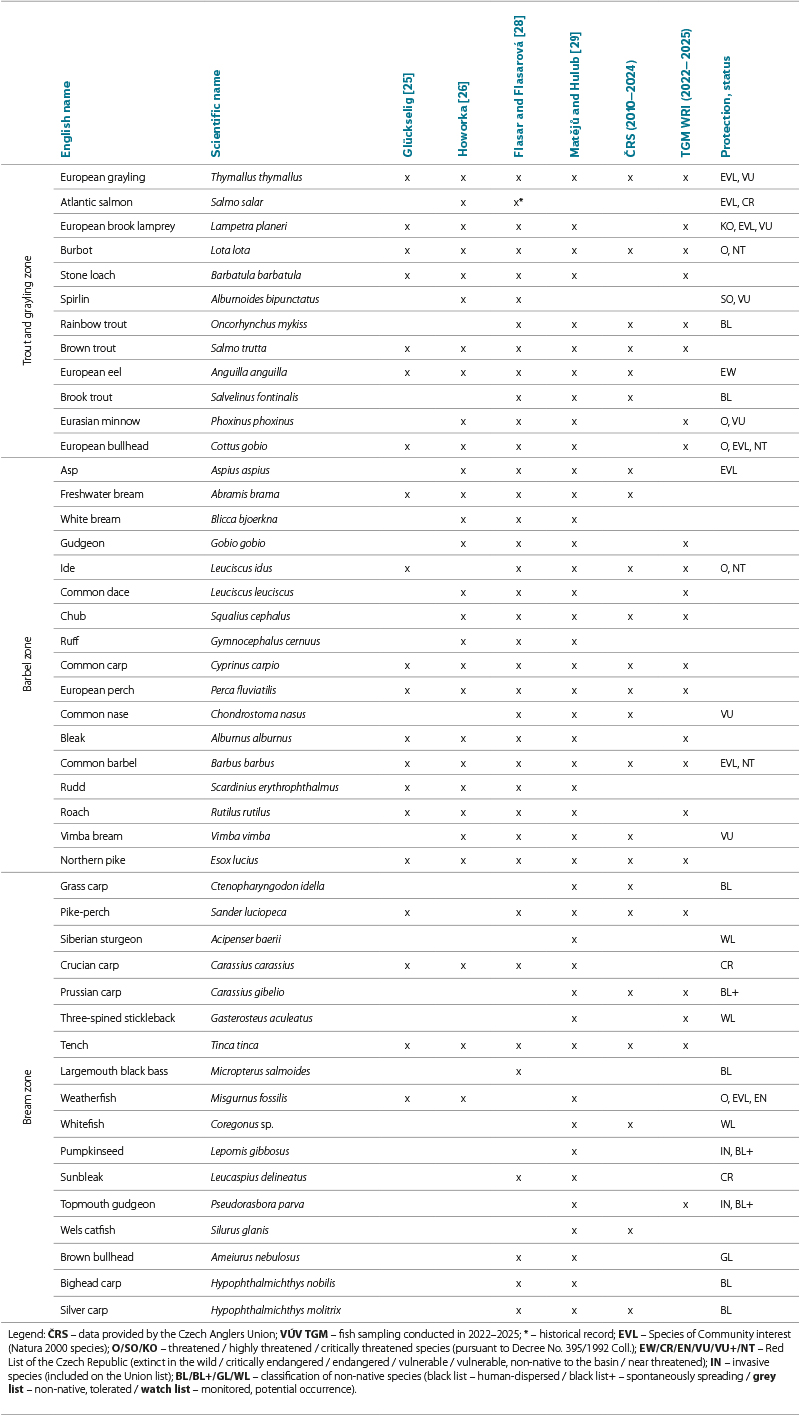
Our monitoring conducted between 2022 and 2025 recorded the presence of 23 fish species. A detailed overview of species occurrence in the individual studies is provided in Tab. 1.
Tab. 1. Occurrence of fish species in the Ohře River basin in the Karlovy Vary area
Assessment of fish passage
Analysis of the Pasportization of watercourses [17], followed by our own field assessment of the study reach (from the confluence with the Ohře to Nová Role), showed a high degree of anthropogenic fragmentation of the Rolava river network. A total of 41 transverse structures (weirs, sills, ramps, etc.) were identified along the Rolava, disrupting its longitudinal continuity. Detailed analysis showed that 25 of these barriers have a head difference of more than 0.6 m. At present, only eight of these structures (32 %) are equipped with a fish pass.
The main barriers to fish migration within the study reach are two large weirs in Karlovy Vary that lack fish passes. The first is Weir No. 1 – Rybáře (river km 1.1), which represents the most problematic point in terms of river continuity, as it isolates the entire Rolava from the Ohře. It is a fixed weir fitted with a movable gate, with a total height exceeding 1.5 m (see Fig. 3 for further details).
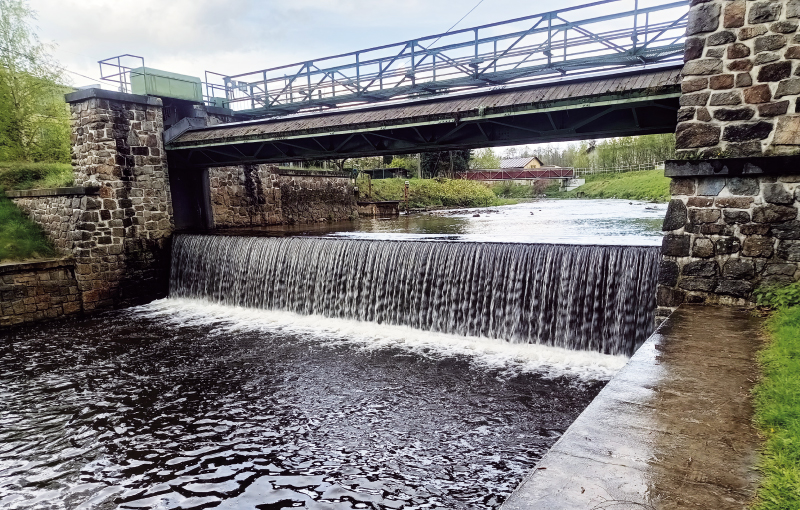
Fig. 3. Current condition of the fixed weir with a movable gate in Rybáře at river km 1.1 (photo: E. Bouše)
The second migration barrier is the weir at Stará Role (river km 4.6). This vertical structure, more than 1.5 m high, consists of large boulders set in concrete (Fig. 4).
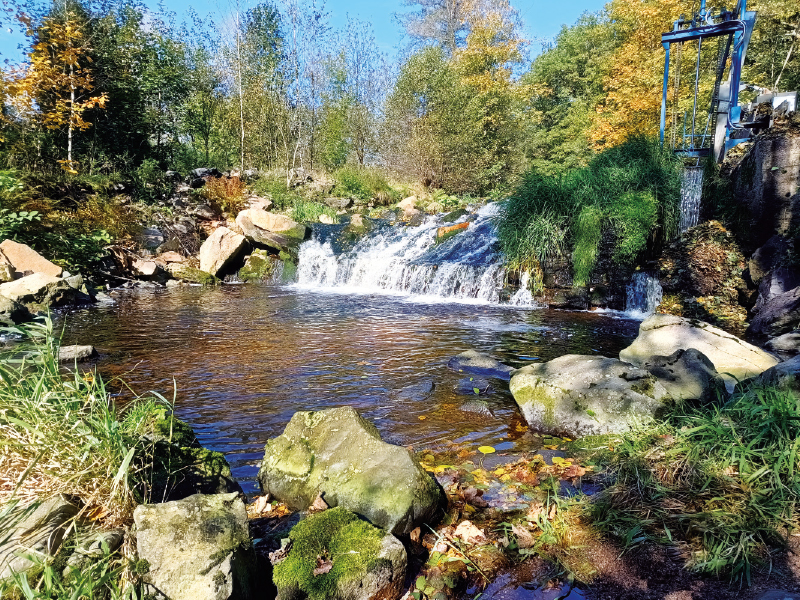
Fig. 4. Weir in Stará Role at river km 4.6, constructed of boulders embedded in concrete (photo: E. Bouše)
In addition to these two main barriers, there are three smaller transverse structures within Karlovy Vary, with head differences of 0.2–0.3 m. The structural condition of these three structures is currently partly degraded due to localised erosion of the structure or missing concrete infill (Fig. 5).
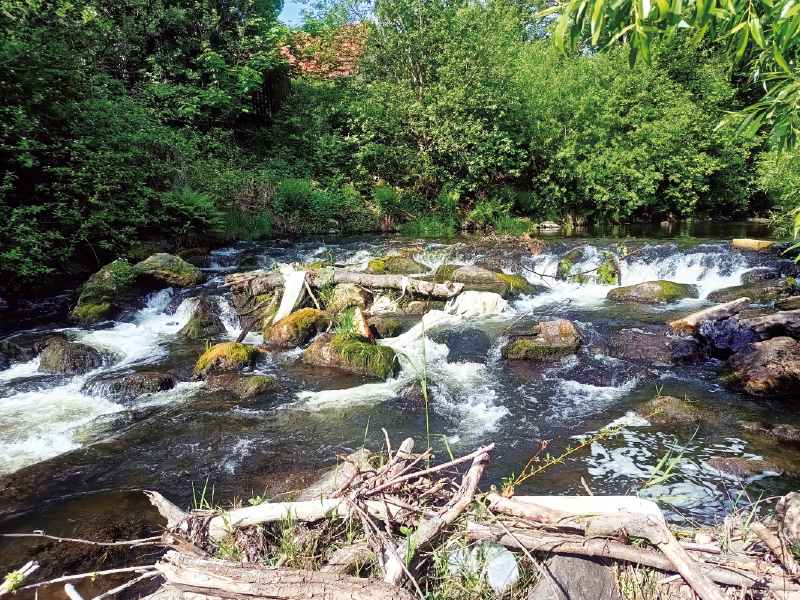
Fig. 5. Weir in Karlovy Vary at river km 1.5 – an example of a migration barrier with a damaged structure (photo: E. Bouše)
Upstream of the weir at Stará Role (river km 4.6) lies a section where two sills in Nová Role were restored in 2020. These works restored fish passage at the structures at river km 8.8 and 9.2 and were subsequently followed by restoration of the structure at river km 8.4. The original impassable migration barriers, which exceeded 1.5 m in height, were converted into ramp-type fish passes (Fig. 6).
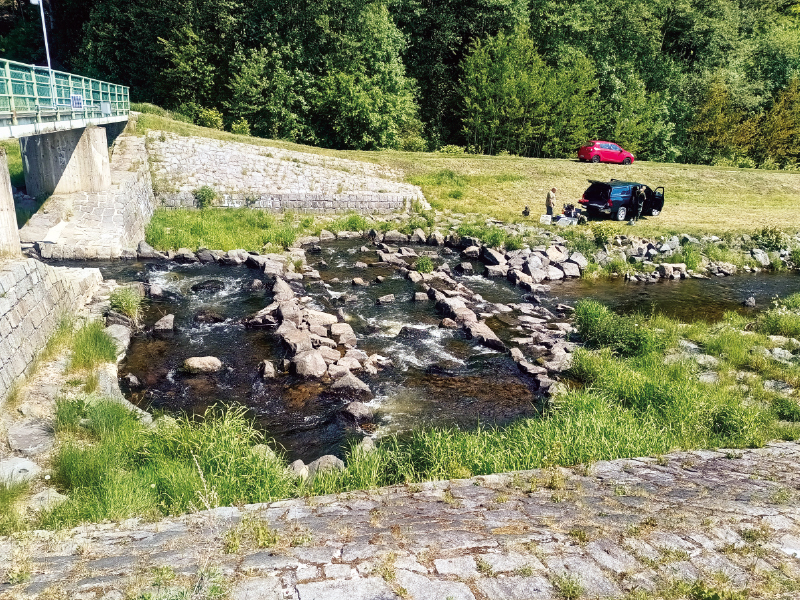
Fig. 6. Restored weir in Nová Role at river km 9.2 (photo: E. Bouše)
Restoration of these three structures in Nová Role opened approximately 10 km of the river to fish passage. Subsequent radiotelemetry monitoring confirmed successful fish passage through this reach. Passage efficiency through the fish passes themselves ranged from 88 to 100 %, while overall migration success ranged from 66 to 90 % (Tab. 2).
Tab. 2. Quantitative assessment of fish–pass efficiency on the Rolava river
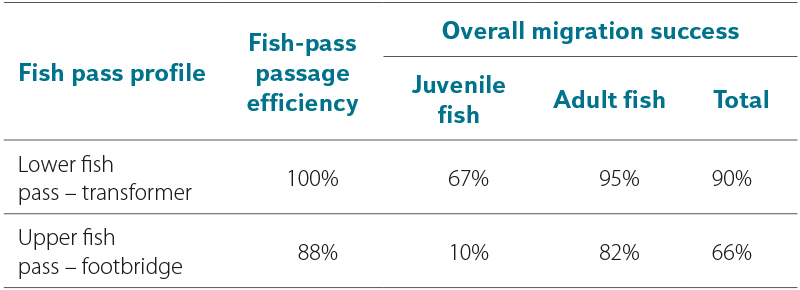
Of the 40 tagged adult brown trout, 16 were confirmed to have passed the lower weir and 14 the upper weir. Among the 16 juvenile trout, five individuals migrated across the lower weir, one of which also successfully passed the upper weir. Statistical analysis, however, found no difference in the passability of the two monitored weirs for either adult or juvenile fish (p = 0.4669).
Fish activity was highest during the first 14 days after release in both age groups (t = 13.531, p < 0.001), with movement during this period predominantly upstream. In adults, this direction of movement was closely associated with a pronounced homing effect, i.e. an attempt to return to their original territory. This proved to be a key motivating factor, with adult trout translocated downstream of the barriers showing overall return success of 75–100 %. Success was directly affected by translocation distance: fish moved two sectors downstream achieved 75% return success, whereas those moved one sector achieved 100%. By contrast, fish released at their capture site remained within their sector.
In terms of seasonality, movement was greatest in autumn and activity lowest in summer. Autumn migration differed significantly from spring (t = 4.405, p < 0.001), summer (t = 5.375, p < 0.001) and winter activity (t = −4.126, p < 0.001). The high return success and the ability of juvenile fish to negotiate both barriers confirm that both weirs are passable. Movement within this reach therefore depends primarily on the fishes’ current motivation.
Fish passage was also assessed by sampling fish below individual barriers. This ichthyological survey enabled detailed assessment of the species and size structure of fish communities at sites immediately downstream of each barrier. Comparison of species composition and ichthyofaunal abundance among these sites revealed statistically significant differences (F = 8.7939; p < 0.001). These marked differences in community distribution were evident both between the main stem of the Ohře and among the reaches isolated by weirs. SIMPER analysis showed that five fish species accounted for more than 81 % of the overall variability in the data. Brown trout made the largest contribution to differences among communities (35.0 %), followed by chub (16.9 %), European bullhead (15.2 %), stone loach (8.2 %) and gudgeon (6.3 %). The mean relative abundance of individual species (%) (± standard deviation) is summarised in detail in Tab. 3.
Tab. 3. Relative abundance of ichthyofauna in individual river sections over a 4-year period, expressed in % ± standard deviation
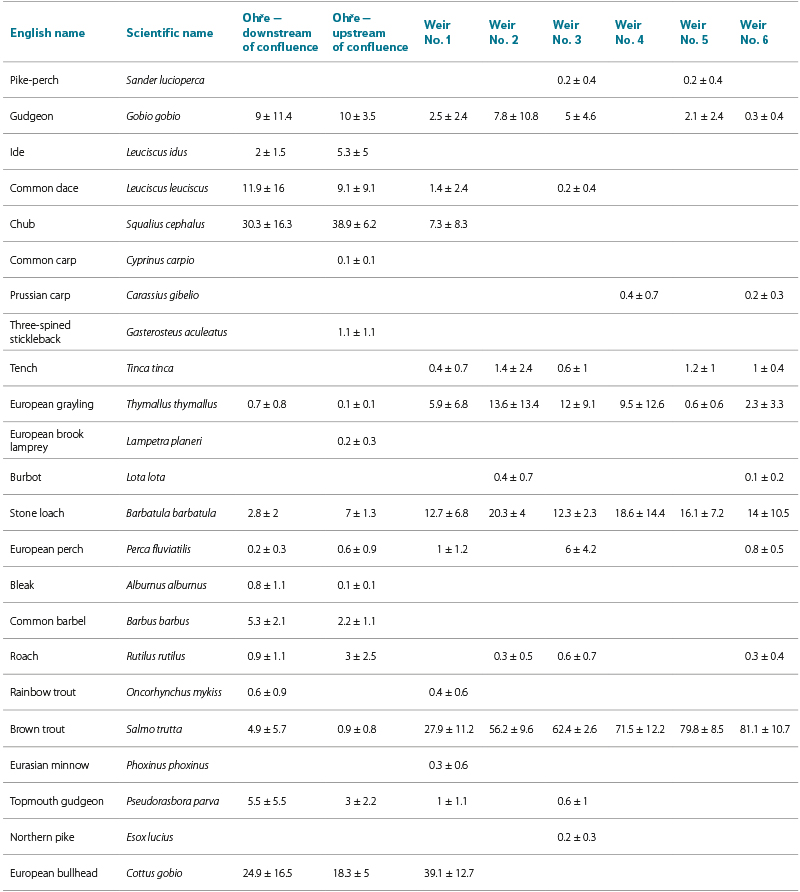
The Ohře sites (below/above the confluence) exhibited high species diversity. Chub (Squalius cephalus) dominated (30.3 ± 16.3 % and 38.9 ± 6.2 %, respectively), together with European bullhead (Cottus gobio) (24.9 ± 16.5 % and 18.3 ± 5.0 %, respectively) and common dace (Leuciscus leuciscus). These were the only two sites in the entire study reach where common barbel (Barbus barbus) occurred, while the Ohře site above the confluence also contained an isolated occurrence of the critically endangered European brook lamprey (Lampetra planeri) (0.2 ± 0.3 %).
Upstream along the Rolava, the diversity of rheophilic cyprinid species declined, accompanied by an increasing prevalence of salmonids. Weir No. 1 – Rybáře represented a transition zone where European bullhead remained dominant (39.1 ± 12.7 %), but brown trout (27.9 ± 11.2 %) and stone loach (12.7 ± 6.8 %) already accounted for substantial proportions of the community. Eurasian minnow was recorded only at this site (0.3 ± 0.6 %). At Weirs Nos. 2–6, the community was completely dominated by brown trout, whose mean relative abundance progressively increased from 56.2 ± 9.6 % (Weir No. 2) to a maximum of 81.1 ± 10.7 % (Weir No. 6). Stone loach formed a consistent component of the community, reaching its highest relative abundance at Weir No. 2 (20.3 ± 4.0 %). European grayling (Thymallus thymallus) was also well represented, particularly at Weirs Nos. 2 and 3, although its relative abundance declined sharply at the uppermost structures.
Isolated occurrences of eurytopic species were recorded at selected weir sites, specifically pike-perch (Weirs Nos. 3 and 5), Prussian carp (Weirs Nos. 4 and 6) and tench (Tinca tinca) (most weir sites). Their mean relative abundance, however, did not exceed 1.4 % in any case and was accompanied by a high standard deviation, indicating sporadic occurrence in these reaches. Northern pike (Esox lucius) was recorded exclusively at Weir No. 3. The observed distribution and overall structure of fish communities at the individual sites were further evaluated using multivariate statistical analysis. The resulting NMDS ordination (Fig. 7) had a stress value of 0.127, indicating a very good representation of the data in two-dimensional space and allowing reliable interpretation.
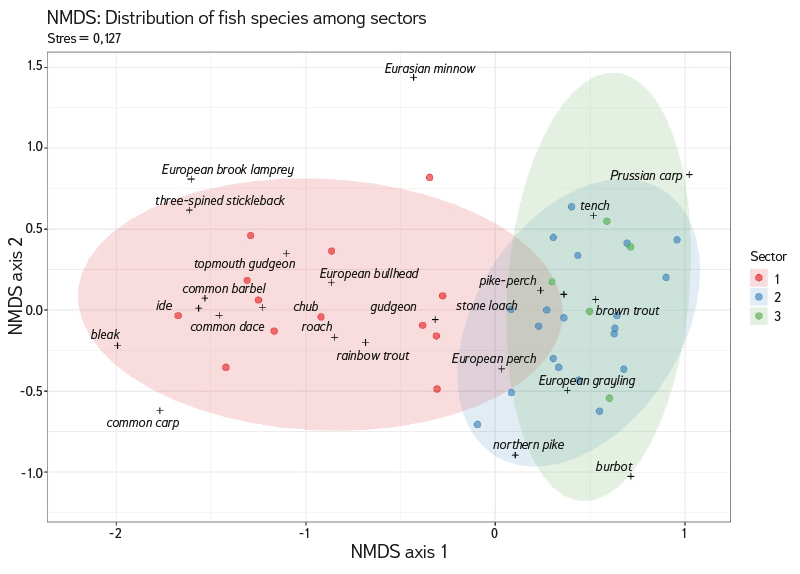
Fig. 7. NMDS ordination plot showing similarity in the species composition of ichthyofauna at the monitored sites (Sectors 1–3); stress = 0.127
The ordination plot confirms a clear separation of Sector 1 (downstream of Weir No. 1 in the Rybáře area of Karlovy Vary) from the reaches upstream of this barrier. The red ellipse clearly delineates the distinctive Sector 1 community (Ohře sites below/above the confluence and Weir No. 1), characterised by protected rheophilic species such as European brook lamprey, European bullhead and ide. Sectors 2 (Weirs Nos. 2–5) and 3 (Weir No. 6), by contrast, show high similarity in species composition and considerable spatial overlap. On the right-hand side of the plot are species indicative of wash-in from surrounding standing waters (e.g. tench and Prussian carp), which supplement the otherwise less species-rich rheophilic fish community upstream of the barriers.
DISCUSSION
Fish community composition
When interpreting long-term changes in the ichthyofauna, it is necessary to consider the methodological limitations and specific characteristics of the individual information sources, which directly account for differences in the total numbers of species recorded. The relatively low number of 20 species recorded in the first half of the 19th century [25] was undoubtedly influenced by the state of taxonomy at the time, when some closely related taxa, such as freshwater bream (Abramis brama) and white bream (Blicca bjoerkna), were not routinely distinguished in the literature [28]. Overall species richness in the past was therefore very likely higher than contemporary sources suggest.
Lower species richness is also apparent in the statistics of the Czech Anglers Union (ČRS). Angling records are primarily biased towards species of commercial and recreational interest, which explains the complete absence of data on small species such as European bullhead, stone loach and Eurasian minnow. Despite this bias, however, angling statistics represent a highly valuable data source that effectively complements electrofishing, which itself is selective. This selectivity is particularly evident for more mobile species such as common carp (Cyprinus carpio), silver carp and asp (Leuciscus aspius), as well as species inhabiting deeper parts of rivers, such as Wels catfish (Silurus glanis), whose abundance tends to be substantially underestimated. This is also confirmed by our monitoring results: these species are absent from our records despite their documented occurrence in the study area. In such cases, recreational anglers’ catch records and ČRS fish-stocking statistics provide an invaluable indication of the actual presence of these taxa in the river and important context for distinguishing naturally reproducing populations from those dependent on artificial stocking.
The lower species diversity recorded in our study is probably attributable to a combination of its smaller spatial extent and the methodology used. Unlike study [29], which combined field surveys with records from the Nature Conservation Agency of the Czech Republic (NCA CR) database covering long periods, our study relied solely on our own electrofishing surveys. Study [29] also included specific isolated habitats such as private fishponds and pools. Species such as Siberian sturgeon (Acipenser baerii) and sunbleak (Leucaspius delineatus) are associated with these habitats and only rarely enter the flowing channels of the Ohře or Rolava, for example during fishpond harvesting.
Long-term changes in the community are closely associated with the increasing occurrence of non-native fish species, a trend that has been clearly apparent in the study area since the 20th century. Whereas non-native species were virtually absent from 19th-century historical surveys and the river community consisted exclusively of native species, non-native taxa are now considerably more frequent and have become a permanent component of species richness in the catchment. This upward trend was initially driven by deliberate introductions of species valued for commercial or recreational purposes, such as grass carp, silver and bighead carp, brook trout and rainbow trout, whose populations in the river continue to be maintained by ČRS stocking. In addition to these management interventions, however, recent data also show an increasing occurrence of spontaneously spreading invasive taxa included on the so-called blacklist, such as Prussian carp, topmouth gudgeon and pumpkinseed. The gradual shift in species composition from an entirely native community towards a system in which non-native species are increasingly common thus clearly reflects long-term anthropogenic pressure and changes in the character of the river habitat as a whole.
Assessment of fish passage
The high degree of fragmentation of the Rolava represents a major constraint on the functioning of the river ecosystem. A total of 41 barriers currently occur along a river only 37 km long. A head difference exceeding 0.6 m is generally considered a critical threshold that most native fish species are unable to negotiate. On the Rolava, 25 of these barriers exceed 0.6 m, representing a critical degree of obstruction for most migrating fish. This unfavourable situation is further compounded by the fact that only eight of these high barriers are currently equipped with fish passes.
Despite the clear need to address this fragmentation, socioeconomic constraints must be taken into account when designing specific restoration measures. Weirs No. 1 – Rybáře (river km 1.1) and No. 5 – Stará Role (river km 4.6) must therefore be regarded as barriers whose complete removal is not currently feasible. Both structures stabilise the river gradient and maintain the impounded water levels required for the operation of small hydropower plants, while the Rybáře weir also provides an important source of non-potable water for the local swimming pool. Complete restoration of river continuity through removal of these structures is therefore not realistic. Longitudinal fish passage in the lower Rolava can, however, be restored through engineering measures that are planned for both sites in the near future.
At Weir No. 1 in Rybáře, a pool-type fish pass with boulder obstacles is planned on the right bank in the immediate vicinity of the small hydropower plant. This location is optimal because migrating fish will be naturally attracted towards the pass by the strong attraction flow discharged from the power plant turbines. Weir No. 5 in Stará Role is expected to undergo major modification this year. The planned conversion of the vertical concrete structure into a boulder ramp will create a rough bed with sufficient water depth, enabling safe passage for a wide range of aquatic organisms.
By contrast, given their height (< 0.3 m), the remaining three smaller barriers located between the two large structures do not represent a constraint for rheophilic species with good jumping and swimming abilities, such as brown trout and European grayling. Moreover, their partly degraded structural condition has created areas of reduced flow, local cavities and zones of lower water velocity within the structures. It can therefore be assumed that, under normal flow conditions, these sills are also passable to fish species with limited swimming ability, such as European bullhead and Eurasian minnow. However, the actual degree of fish passage at these smaller, damaged structures will need to be confirmed by further study. In terms of prioritising remedial measures on the Rolava, it therefore makes sense to focus primarily on restoring fish passage at the two major Karlovy Vary weirs (Nos. 1 and 5), which currently constitute complete migration barriers.
Comparison of methods – radiotelemetry vs. fish sampling at barriers
Assessment of fish passage in rivers is fundamental to understanding the effects of river-network fragmentation on fish communities and their biodiversity. This principle is closely linked to the requirements of the Water Framework Directive [14], which does not require active monitoring of passage at individual barriers but does require assessment of the longitudinal continuity of the water body as a whole. River-network continuity is a key supporting element in determining the ecological status of water bodies. Selecting an appropriate method for assessing fish passage is therefore essential for obtaining valid data that can support the effective design of remedial measures or functional fish passes in accordance with European standards. The following analysis compares telemetry and ichthyological sampling as two approaches that differ in their level of detail, practical requirements and potential for interpretative bias.
Telemetry is a highly precise tool for detailed analysis of individual behaviour. It can identify the specific barriers at which fish are stopped, document relatively precisely the time required to negotiate a migration barrier, and relate this activity to prevailing environmental conditions such as temperature and discharge. In terms of habitat connectivity, telemetry provides unique data on the dynamics of movement between key habitats. In our study, telemetry confirmed fish passage at the two restored barriers at river km 8.8 and 9.2, clearly demonstrating that both adult and juvenile brown trout were able to negotiate these fish passes successfully. Telemetry also allowed us to determine the speed of these movements and showed that fish generally returned to their home territory immediately after release or within a few days (Fig. 8). It also enabled detailed monitoring of migratory behaviour over the broader temporal context of an entire year. Although movement frequency was highest shortly after release, continuous year-round monitoring provided essential information on whether trout also actively used other parts of the river throughout the year. This confirmed that fish actively use different parts of the river according to their seasonal requirements, something that could not have been detected without continuous monitoring.
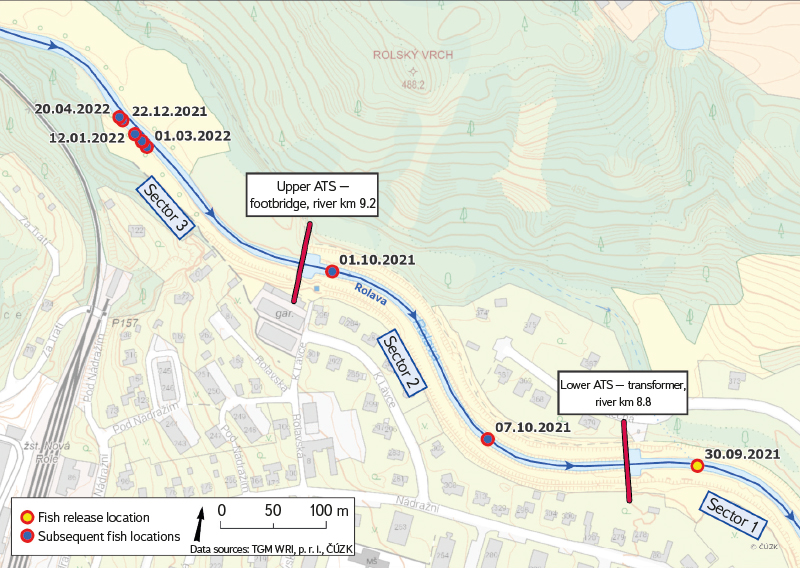
Fig. 8. Movement of adult brown trout ID 17 following translocation from Sector 3 to Sector 1 and subsequent homing: released in Sector 1 in September, detected in Sector 2 in October, and returned to its original home range in Sector 3 by November
In addition to monitoring these larger-scale movements, telemetry allows detailed mapping of local movements by individual fish, helping to identify particular parts of the river that are attractive to them. Continuous monitoring of fish presence at a given location makes it possible to identify the microhabitats they preferentially use. Such information is highly valuable for future management and remedial measures, providing an important basis for the optimal design of river restoration, particularly in heavily modified urban reaches where appropriate channel configuration and the availability of refuges are essential for maintaining fish communities.
The disadvantages of telemetry, however, include its high cost, the need for surgical implantation and, above all, constraints on transmitter weight. Ideally, transmitter mass should not exceed 2 % of the fish’s body mass. Although the smallest commercially available transmitters weigh approximately 0.24 g, theoretically allowing individuals weighing as little as 12 g to be tagged, their battery life is then only a few days. Such a short period is entirely inadequate for long-term monitoring, particularly of species that are not highly mobile. Telemetry is therefore inherently unable to reliably establish whether a reach is passable to smaller fish species such as European bullhead, Eurasian minnow and stone loach, for which long-term monitoring using this method is impractical. Other monitoring methods capable of assessing whether barriers can be negotiated are therefore necessary when evaluating connectivity for smaller species. Regular ichthyological sampling upstream and downstream of a barrier can play a key role, with the presence or absence of these small species providing important evidence as to whether they are actually able to pass the barrier.
By contrast, ichthyological sampling upstream and downstream of barriers provides broader ecological insight at lower cost. It can identify barriers from the presence or absence of particular taxa, detect invasive species, and reveal the age or size structure of populations. Using this method, our monitoring identified a total of 23 fish and lamprey species. These included protected and ecologically valuable species (European bullhead, Eurasian minnow, burbot, ide and European brook lamprey), as well as non-native or invasive taxa (Prussian carp, three-spined stickleback, rainbow trout and topmouth gudgeon). These records provide valuable information for designing future remedial measures to protect threatened species while also allowing the risk of non-native species spreading through the catchment to be assessed.
Detailed assessment of size structure also enabled us to determine the current status of individual populations and establish whether they were reproducing naturally within the study area. Successful natural reproduction in the Rolava was confirmed for brown trout, stone loach and European bullhead. In the Ohře, natural reproduction was demonstrated for, among others, all three Leuciscus/Squalius species – chub, ide and common dace – as well as common barbel, roach, three-spined stickleback and topmouth gudgeon.
The main limitations of fish sampling include more frequent direct disturbance of the river environment and the risk of injury to fish during capture and handling, particularly larger individuals; in rare cases, mortality may also occur. The efficiency and selectivity of electrofishing are also strongly influenced by numerous environmental factors, including water conductivity, channel width and depth, channel complexity, flow velocity and the nature of the bed substrate. Sampling provides no continuous record of the movements of individual fish over time and therefore offers only a snapshot at the time of sampling; it cannot establish whether a fish previously negotiated a particular barrier and subsequently returned to its original home range. Finally, the interpretation of sampling results may be substantially confounded in fisheries subject to artificial stocking, where the presence of stocked individuals can mask the true passability or otherwise of the river for a particular species.
The two methods used to assess fish migration therefore have their own specific strengths and limitations. Combining ichthyological sampling with radiotelemetry, however, provides a comprehensive and robust tool for objectively assessing river connectivity and the functioning of aquatic ecosystems, with telemetry supplying the individual and temporal detail that sampling lacks. Data on the distribution and abundance of individual species provide direct indications of which barriers act as selective filters and which are completely impassable to particular taxa or size classes. Field sampling therefore provides an essential complement to telemetry data, revealing the actual long-term effects of barriers on the natural structure of fish populations in the affected reaches of the Rolava.
Predicted future development of the fish community in the Rolava
Restoring longitudinal river continuity and reconnecting the Rolava with the Ohře will represent a major ecological change that is likely to influence the future composition of the local fish community. It will also be important to determine how natural reproduction of salmonids responds to this restored connection, as successful natural reproduction is a key prerequisite for reversing the negative trend in their populations [5].
The first part of the prediction is based on planned engineering works on the Rolava, specifically the restoration of fish passage at two key migration barriers. At Stará Role, the existing Weir No. 5 will be replaced by a boulder ramp, but the crucial step will be the construction of a fish pass at Weir No. 1 in Rybáře [30]. This weir currently constitutes an impassable barrier to fish. Restoring passage will reopen the migration route from the Ohře and should lead to recolonisation of the Rolava by native species such as European bullhead, Eurasian minnow and European brook lamprey. These ecologically demanding species require high-quality, clean water and commonly occur as far upstream as the upper parts of the trout zone; they can therefore be expected gradually to recolonise the Rolava upstream as far as the next impassable barrier. The spread of European brook lamprey, however, will be limited by the availability of low-flow areas with fine muddy sediments, where its larvae (ammocoetes) spend the first years of their lives. Burbot (Lota lota) could also return to the Rolava. It is another characteristic species of the trout zone and is regularly stocked by the Czech Anglers Union in the Ohře in Karlovy Vary. Once fish passage has been restored, the Rolava should again provide suitable and characteristic habitat for the species.
Gudgeon (Gobio gobio) and rheophilic cyprinids such as common dace and chub can initially be expected to occur mainly in the lower Rolava. However, ongoing climate change, resulting in warmer river water and lower precipitation, could gradually shift this ecological boundary upstream, potentially allowing these species to colonise the currently cooler submontane reaches in the future. By contrast, a substantial expansion of non-native fish species such as three-spined stickleback (Gasterosteus aculeatus), Prussian carp and topmouth gudgeon (Pseudorasbora parva) is not expected. Given the biological requirements of these limnophilic taxa, restoration of passage at the lower barriers is likely to allow them to penetrate only the lowermost, anthropogenically modified urban reach of the Rolava in Karlovy Vary.
The second part of the prediction concerns the development of salmonid populations and is based on our ichthyological surveys conducted in the Rolava between 2022 and 2025. These surveys were carried out mainly in late spring and early summer, with a total of 32 sampling surveys conducted in the Rolava and Ohře. In the final year of the project, we recorded a marked increase in the abundance of brown trout fry in the upper part of the study reach near Weirs Nos. 5 and 6, reaching tens to hundreds of individuals per 100 m of river. The captured individuals were approximately 30 mm long. According to the stocking plan, the Czech Anglers Union (ČRS) routinely stocks the Rolava 1 A fishery with one-year-old trout or larger stocking fish at least 100 mm in length. Given this pronounced size difference, it is clear that the individuals recorded in our survey originated from natural spawning. This contrasts markedly with previous years, when fry were either entirely absent or recorded only in very low numbers [19].
Given the isolated nature of this finding, it is not yet clear whether the high abundance of fry was primarily attributable to restored fish passage at the structures at river km 8.8 and 9.2 or to the particular conditions prevailing that year. Further monitoring of the ichthyofauna at the site will be necessary to confirm any lasting benefits of restoring fish passage. Nevertheless, the finding is an important indication of the river’s potential for natural reproduction. Supporting natural reproduction appears to be a key means of achieving stable populations with a balanced age structure. Czech Anglers Union data (Fig. 9) show a long-term decline in catches of both brown trout and European grayling despite intensive artificial stocking, which has been unable to compensate effectively for this decline. Although precise stocking records are available only from 2017 onwards, according to information provided by Ing. H. Dort, a fisheries officer of the regional association, stocking also took place in earlier years at approximately 1,500 grayling and 2,000 trout per year. The causes of this negative trend are complex and include predation pressure, illegal fishing and general habitat degradation, a phenomenon observed in most trout fisheries in the Czech Republic. Restoring fish passage is therefore one of the prerequisites for conserving local populations, but it must go hand in hand with measures addressing other environmental pressures.
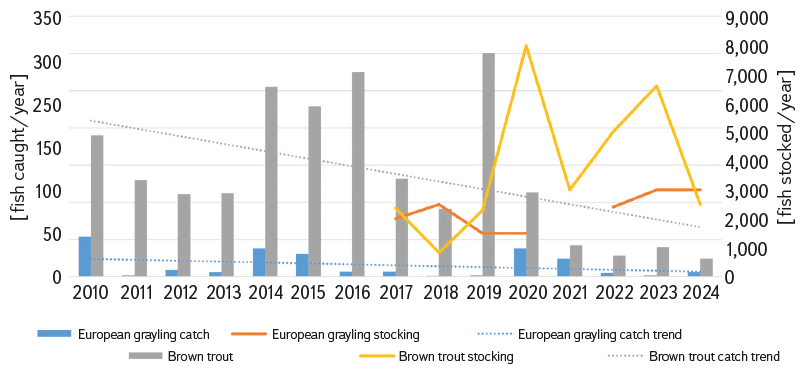
Fig. 9. Annual catch and stocking data for brown trout (Salmo trutta m. fario) and grayling (Thymallus thymallus) in Rolava 1A angling district (data source: West Bohemian Territorial Union of the Czech Anglers Union [ČRS])
CONCLUSION
In recent years, the Rolava has become a key focus of efforts to restore river continuity in the Karlovy Vary Region. The principal aim is to restore fish passage, which is essential for maintaining stable populations of rheophilic fish species. River restoration builds directly on the historical legacy of naturalist Antonín Frič, who recognised the need for unobstructed migration routes in Czech river basins as early as the second half of the 19th century.
The combination of impassable structures in the lower and upper reaches divides the Rolava into a series of isolated sections, substantially reducing the ecological potential of the entire catchment, preventing fish from using their natural migration routes and hindering compliance with legislative requirements for the biological integrity of aquatic ecosystems. Removing barriers on the Rolava therefore opens the way to restoration of the entire river ecosystem, the return of many threatened and rare species, and the development of near-natural communities of fish and other aquatic organisms.
Analysis of changes in the ichthyofauna reveals an interesting trend: the total number of species recorded during our monitoring (23 species) remains very similar to that reported in 19th-century historical records (20–28 species). However, the composition of the community has changed substantially. Extreme fragmentation of the river by 41 transverse barriers has resulted in the disappearance of some sensitive native species from the Rolava. Over time, these have been replaced by non-native or invasive species that are more tolerant of environmental degradation.
The successful restoration of three structures in Nová Role in 2020 demonstrated that restoring fish passage is both technically and biologically feasible. Radiotelemetry clearly showed that the fish passes constructed are fully functional, at least for brown trout, and allow natural movement of fish along the river. The high passage success at the restored structures therefore provides encouraging evidence for the planned restoration of fish passage at the critical barriers in Rybáře and Stará Role, an essential prerequisite for the long-term sustainability of the local fish community.
Monitoring conducted between 2022 and 2025, particularly in the final year, indicates substantial natural reproduction in the Rolava. Whereas brown trout fry were scarce in previous years, the most recent data confirm that the river is capable of providing suitable conditions for successful natural spawning.
These findings are particularly significant in the context of the general decline in the abundance of rheophilic fish species in recent years, which even intensive artificial stocking has been unable to compensate for effectively. This trend is also reflected in declining catches of brown trout and European grayling in the Rolava 1A fishery. The results indicate that where fish are provided with adequate connectivity, natural reproduction is not only possible but can become one of the principal means of maintaining stable populations with a balanced age structure.
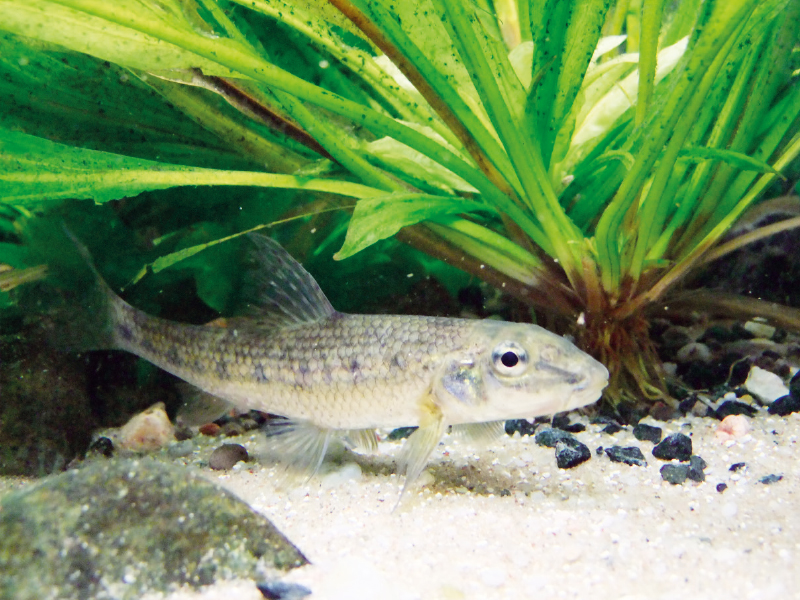
Gudgeon (Gobio gobio), a typical representative of fish from fast-flowing sections with sandy or gravelly bottoms (photo: M. Barankiewicz)
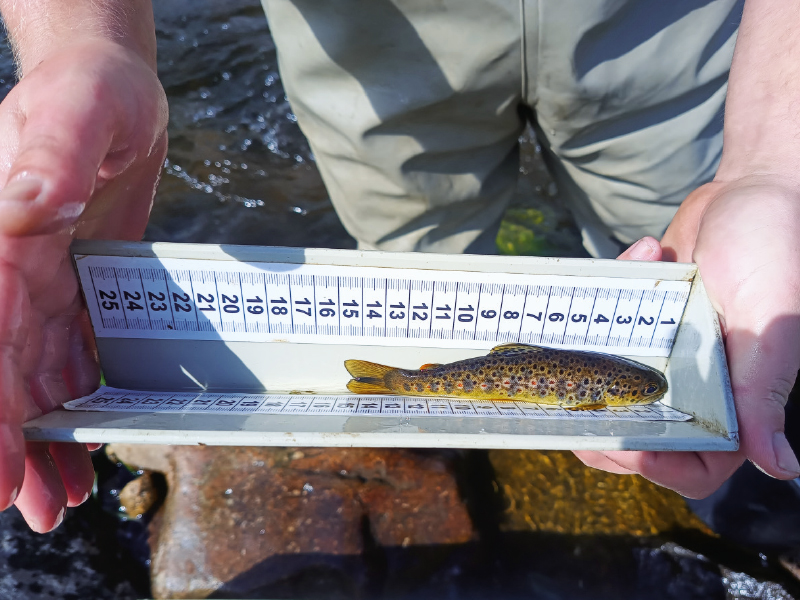
Measurement of a captured brown trout (Salmo trutta m. fario) during a field fish stock survey (photo: E. Bouše)
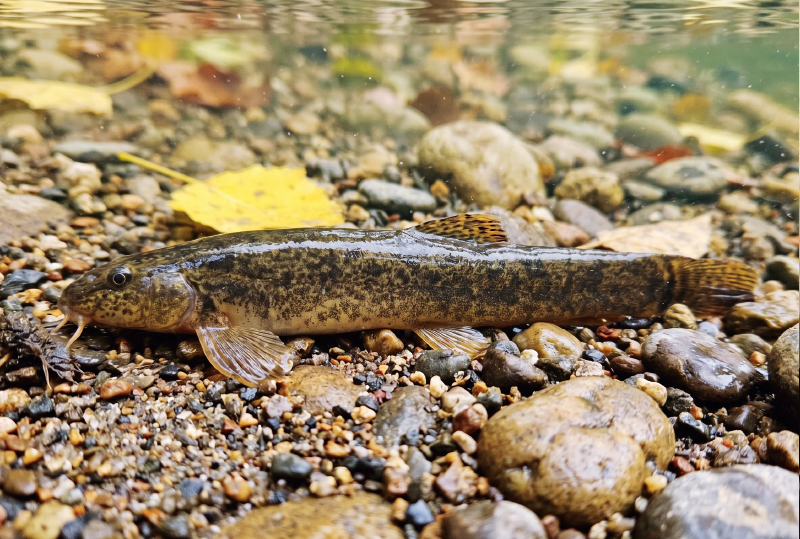
Stone loach (Barbatula barbatula), an inconspicuous yet significant bottom-dweller of our trout and grayling streams (photo: E. Bouše)
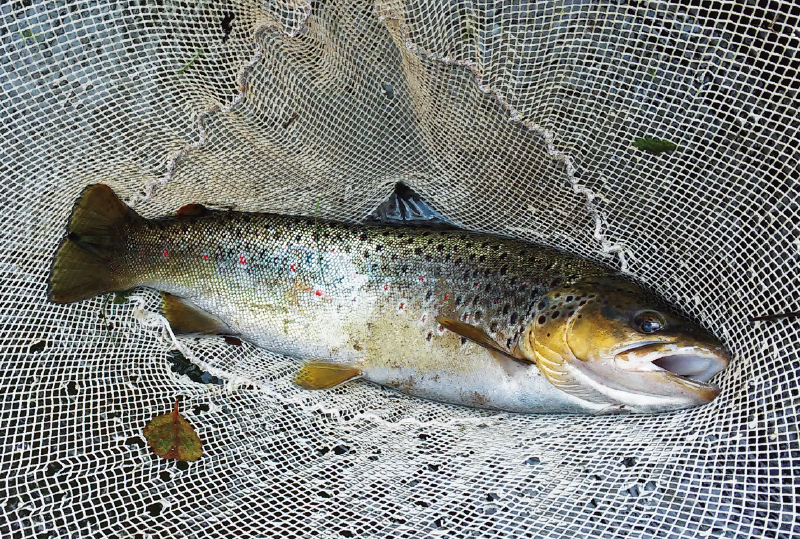
Brown trout (Salmo trutta m. fario) – an iconic species of clean, cold, and well-oxygenated waters (photo: M. Barankiewicz)
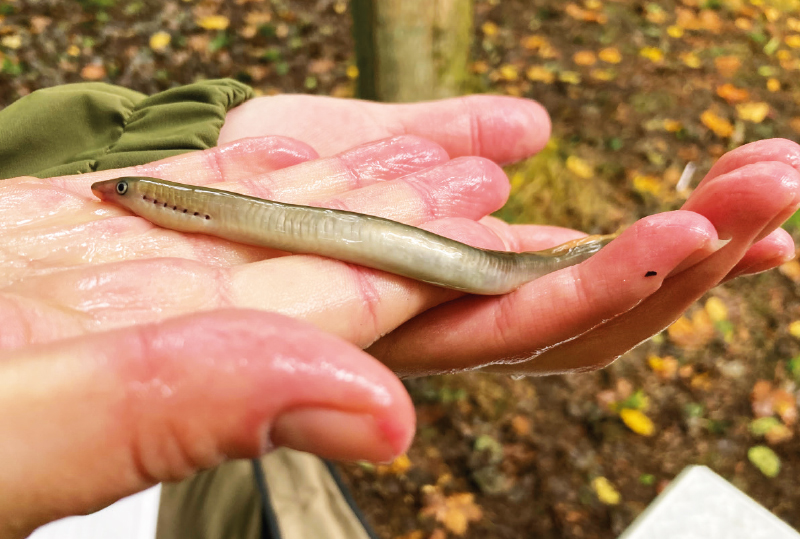
Brook lamprey (Lampetra planeri) – a rare and strictly protected species that is a sensitive indicator of water purity and the natural state of the river (photo: M. Barankiewicz)
Acknowledgements
This work was financially supported by project No. SS02030027, Water systems and water management in the Czech Republic under climate change conditions (Water Centre), under the Environment for Life programme of the Technology Agency of the Czech Republic.
The authors thank Ohře Basin Authority, state enterprise, for providing valuable background materials. Thanks are also due to the Czech Anglers Union – West Bohemian Regional Association, in particular Ing. Hynek Dort, and to colleagues Patrik Slanina and Vít Břicháček for their assistance with fish sampling. Finally, the authors thank Ing. Jiří Musil, Ph.D., and MVDr. Jana Kvičerová, Ph.D., for their expert assistance and cooperation.
The Czech version of this article was peer-reviewed, the English version was translated from the Czech original by Environmental Translation Ltd.
