

ABSTRACT
In a climate marked by prolonged drought, observed mainly in arid and semi-arid areas, the installation of hydraulic systems for rainwater collection and storage in rural and isolated areas is becoming a necessity to preserve livestock and ensure water security for the local population. For this purpose, this review synthesizes recent studies on the various hydraulic systems used for rainwater harvesting (RWH) in rural areas to support agriculture, livestock, and households. This review examines 66 relevant studies published in journals indexed in ScienceDirect and Scopus over a period of five years (January 2021 – December 2025). It emphasizes the importance of design based on the specific characteristics of each location or country, the criteria for selecting implementation sites, the impact of RWH systems on agriculture, livestock, and rural households, existing challenges, and proposes some guidelines for sustainable rainwater management and flood reduction.
INTRODUCTION
Pressure on water and natural resources in the world, exacerbated by climate change, is threatening agriculture, livestock and increasing poverty in arid and semi-arid areas, especially in rural, isolated localities. It is in this context that rainwater harvesting (RWH) systems have gained importance internationally as a sustainable rainwater management solution.
RWH is the process of collecting raindrops or runoff and storing them in tanks, reservoirs, or other storage systems. The harvested rainwater can subsequently be utilized for various on-site purposes due to its limited captured volume. Rainfall can be collected from different sources. RWH systems (RWHS) are designed to collect surface runoff from steep and sparsely forested mountain slopes to agricultural areas [1]. As a result, these systems serve a dual purpose: providing water supply and managing floodwater, which makes them both distinctive and exceptional [2]. Okello et al. [3] claimed that in addition to increasing the availability of water, RWH helps restore nearby groundwater sources and generates employment opportunities in the local communities. Consequently, the widespread adoption of RWH as a strategic solution to water scarcity has contributed to a reduction in groundwater extraction. RWH has been employed not only to address the growing imbalance between water supply and demand but also to promote social, environmental, and economic development, ultimately enhancing the quality of life in arid and semi-arid areas [4–7].
Over the past few decades, numerous researchers have shown their interest in RWH technologies and practices, and also several countries worldwide have been using RWHS as an alternative measure to provide water for domestic and agricultural uses in dry and isolated areas. However, these RWHS differ from one location to another according to multiple criteria such as: the geographical situation, land configuration, hydrographic network, purpose of rainwater usage, socio-economic situation, local population preferences, and environmental contexts. Consequently, researchers try to combine all these criteria to design and implement an adapted RWHS for a specific location.
Current review studies primarily focus on the benefits of RWHS in addressing water scarcity in drought-prone areas [8, 9], the modernization of traditional RWHS [10, 11], their potential applications in agriculture and livestock activities [12, 13], and the integration of new technologies to maximize RWHS performance [14, 15]. Nonetheless, these reviews have adopted diverse methodological approaches, and often include sources with varying levels of scientific rigor, such as professional reports and book chapters. Furthermore, some focus narrowly on a specific aspect of RWH or are limited to particular regions, such as the Middle East and North Africa (MENA) or low-and middle-income countries (LMICs). This disjointed perspective hampers a comprehensive understanding of the global importance and diverse applications of RWHS across multiple sectors. To address these gaps, this study conducts a systematic literature review based on the Preferred Reporting Items for Systematic Reviews and Meta-Analyses (PRISMA) framework, exclusively considering peer-reviewed articles published in Scopus and ScienceDirect from January 2021 to December 2025. This structured and transparent methodology enhances reproducibility and offers a thorough synthesis of worldwide research. Distinct from earlier reviews on RWHS (e.g., [7, 16–19]), this study is organized to facilitate understanding of the complex structure of RWHS, directed by crucial questions aimed at identifying the scholarly advancements of RWH, analyzing different research contributions in RWH, and determining the challenges of rain and flood water management policies. Throughout this scholarly pursuit, this study offers a detailed synthesis of the main principal RWH techniques, applications, and practices that exist worldwide. It emphasizes recent advancements and future perspectives for sustainable water resources management.
This paper is organized as follows: The first section presents the methodology of this study, highlighting the criteria used for selecting sources and studies using the PRISMA-based systematic literature review. The second part consists of a literature review that summarizes the results of all the reviewed articles. This section is organized into several parts: first, an overview of historical and traditional RWH techniques in arid and semi-arid areas; followed by a technical review of RWHS, including types, design considerations, implementation sites, and maintenance practices. The next section discusses the impacts of RWH on agriculture, livestock, and livelihoods in rural areas, as well as its role in managing food and water erosion. Finally, the concluding section examines water management policies and institutional support mechanisms.
METHODS
To conduct this review, the methodology of systematic literature review was used to collect, analyze, and evaluate a certain number of scientific papers on RWH in the world. For this purpose, the guidelines of the PRISMA were employed to guarantee an organized and credible selection process. Moher et al. [20] introduced the PRISMA statement as a set of directives aiming to enhance the transparency and comprehensiveness of reporting in systematic reviews through a defined set of steps, containing article identification, screening, eligibility, and final inclusion.
Eligibility criteria
RWH has become a popular topic since the early 2000s, with an increase in the number of publications over the years [16]. Considering this extensive volume of publications, the studies included in the present review were carefully selected according to predefined eligibility criteria to ensure relevance and coherence. These eligibility criteria included peer-reviewed journal articles written in English, published between January 2021 and December 2025, indexed in Scopus and available in ScienceDirect and Scopus, and related to rural RWH.
Search strategy
The bibliographic databases used in the article search: ScienceDirect and Scopus. Particular keywords and terms related to rural RWH were utilized in this search (Fig. 1). The query was structured as follows: (“rainwater” OR “stormwater” OR “surface water”) AND (“harvesting” OR “collecting” OR “storing” OR “management” OR “conservation” OR “water erosion”) AND (“rural” OR “mountain” OR “arid” OR “semi-arid” OR “dry area”) AND ( “agriculture” OR “livestock” OR “fields”) AND ( “techniques” OR “design” OR “hydraulic system” OR “construction materials” OR “implementation site” OR “efficiency”). Using this search strategy, an initial dataset of 1,854 publications was obtained.
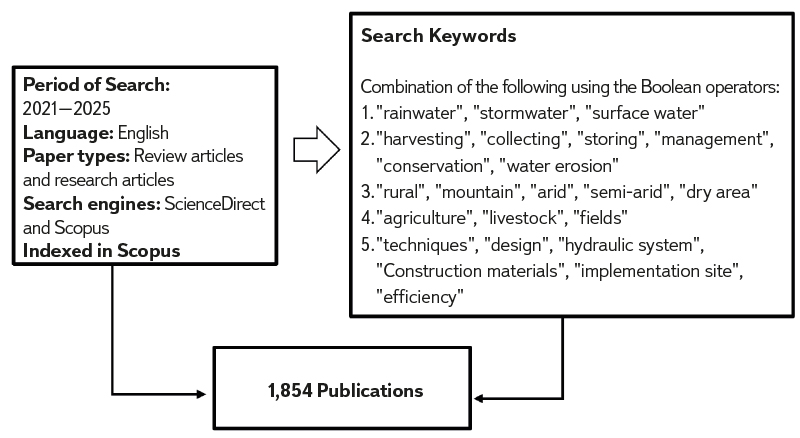
Fig. 1. Strategy used in the search of bibliographic databases
Screening and selection process
Management of the references
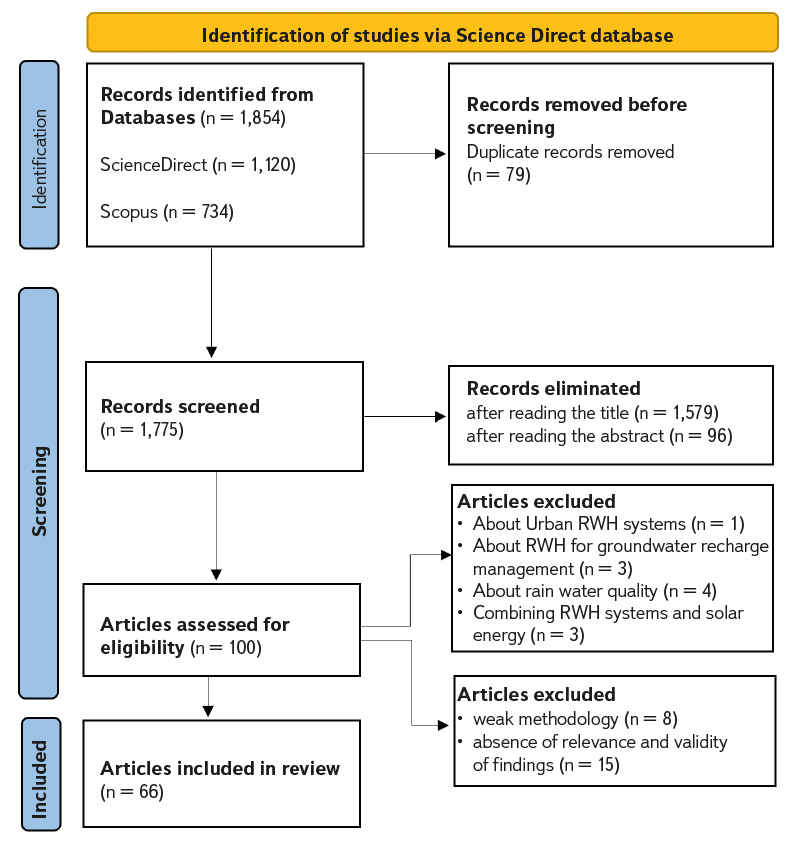
All the retrieved publications from the searches were imported into Zotero, which is a reference management software [21] to identify and remove all the duplicated publications. At this level, 79 papers were removed from the dataset for being duplicates (Fig. 2).
 Fig. 2. Preferred Reporting Items for Systematic Reviews and Meta-Analyses (PRISMA) flow diagram
Selection process
After removing all the duplicated records, a second filter was applied on the remaining 1,775 records based on the article titles to ensure the inclusion of relevant content. Accordingly, articles that did not contain the predefined keywords (Fig. 1) in the title were excluded from the database. Thus, 1,579 articles were removed, and the number of records at this stage decreased to 196. To further refine this dataset, a third manual filter was applied using the article abstracts, aiming to include only articles that align with these three main topics:
- RWH practices and technologies in agriculture, livestock preservation, and rural households;
- Floodwater and water erosion management in rural areas;
- Water government policy.
Both authors conducted this process, and unclear cases were analyzed in more detail and discussed until a consensus decision was reached.
At the end of this process, 96 articles were excluded after reading the abstract, and 100 articles were selected for additional analysis (Fig. 2).
Inclusion/exclusion criteria
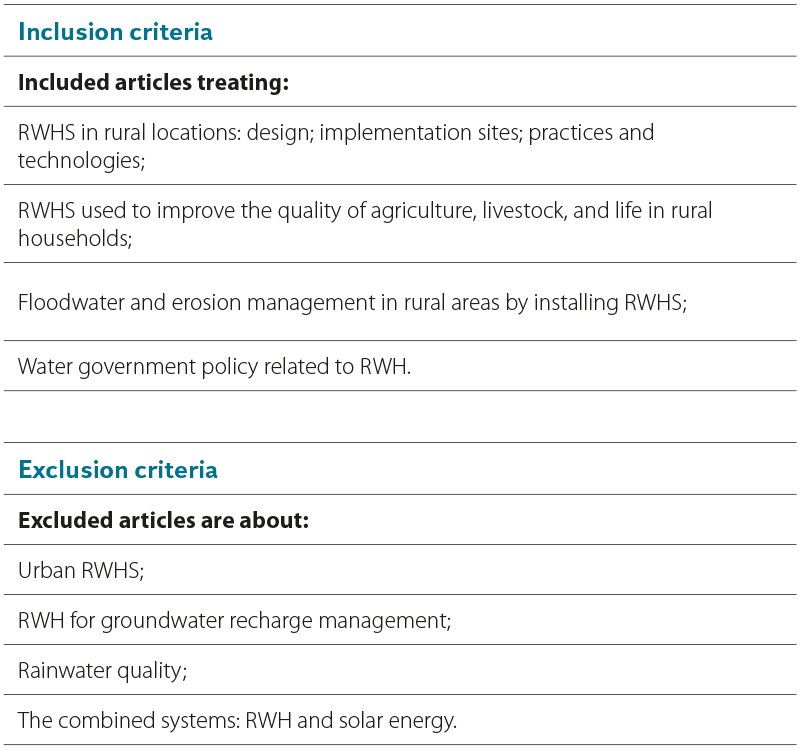
After an in-depth reading of the full-text articles meeting the initial screening criteria, clear inclusion and exclusion criteria were established to confirm the alignment with the research main themes (Tab. 1). As a result of this process, 89 articles were selected for further evaluation. The entire screening process was documented using Zotero and Excel spreadsheets, including relevant notes for each article.
Tab. 1. Inclusion and exclusion criteria
Data collection process
All data relating to the 89 selected articles were meticulously extracted and organized into an Excel spreadsheet. This retrieved dataset includes key information, specifically authors’ names, articles’ titles, years of publication, study locations, main topics, abstracts, research methodologies, and results. This structured approach simplified the analysis and guaranteed easy access to articles details for comparison and review.
Quality assessment
The methodological quality of all the included articles was evaluated based on two main criteria:
- The clarity of the research methodology;
- The pertinence and validity of results.
This assessment was conducted manually by both authors, and notes on the limitations of each article were recorded in Excel spreadsheets. According to these specified criteria, 8 articles were excluded due to weak methodology, and 15 articles were excluded due to the absence of relevance and validity of findings. Following this assessment, 66 articles satisfied the criteria and were selected for final inclusion.
Bias assessment
Following the quality assessment, a bias assessment was conducted on the remaining 66 articles using the Critical Appraisal Skills Program (CASP) checklist. This evaluation focused on the clarity of the research process, the presence of references, empirical data, and the validity of findings. Unlike the previous quality assessment, no articles were excluded at this stage based on bias considerations, indicating that all the included studies demonstrated an acceptable level of bias control and transparency.
Data synthesis
The definitive dataset containing 66 articles was analyzed using a qualitative synthesis approach, enabling the identification, organization, and examination of each article’s findings and results. During this process, outcomes of the studies were summarized, compared, and heterogeneities were evaluated. Consequently, the articles were categorized according to their focus areas into main sub-topics, including RWH in ancient and modern structures, RWH applications in rural settings, floodwater and water erosion management, and water governance policies. This classification provided a systematic overview of the existing literature.
The PRISMA flow diagram
At the conclusion of this process, a PRISMA flow diagram (Fig. 2) was constructed manually to illustrate the entire selection workflow, starting with the initial identification of records and ending with the final inclusion.
This structured method ensures transparency and enhances the reproducibility of the review.
RESULTS AND DISCUSSION
The findings synthesize information from the selected literature and highlight representative examples from diverse regions. Due to the heterogeneity in geographical contexts and methodological approaches, the strength of evidence among the reviewed studies is variable, which may influence the generalizability of the conclusions. Consequently, the overall confidence in the body of evidence can be considered moderate. Therefore, the results should be interpreted with caution, taking into account the inherent limitations of the available evidence.
To facilitate a comprehensive analysis, the articles from the final inclusion were classified and organized into five sub-topics using Zotero:
- historical and traditional RWH techniques in arid and semi-arid regions;
- main characteristics of RWHS;
- impact of RWHS on agriculture, livestock, and life in rural households;
- floodwater and erosion management in rural areas;
- water government policy related to RWH and floodwater management.
Historical and traditional RWH techniques in arid and semi-arid regions
RWH has long served as a foundation stone of water management in arid and semi-arid regions, reflecting the cleverness and cultural resilience of communities challenging water scarcity. This part synthesizes recent studies that collectively highlight the importance and the diversity of these traditional RWH practices and their cultural significance across the Middle East, Asia, North Africa, and Sub-Saharan Africa.
Subterranean channels
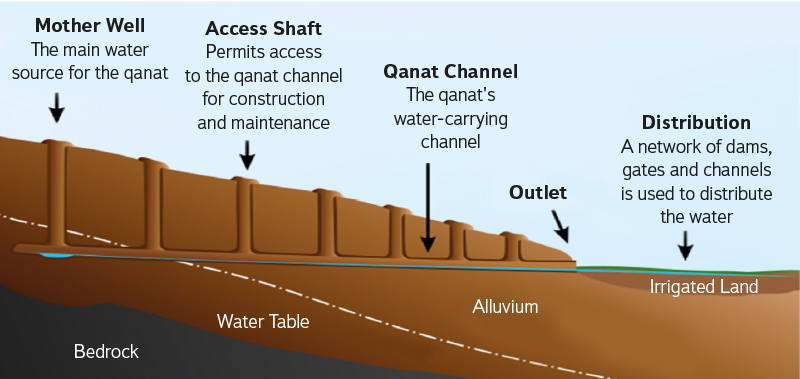
Subterranean channel is one of the most advanced traditional RWH practices in the MENA region, designed in a way to reduce evaporation and increase efficiency. These underground water systems present differences from one country to another in techniques and nomenclature: qanats, falaj or aflaj, or foggaras [5]. These systems use gravity to transport water from higher elevation aquifers to lower elevation farmlands. This technique not only provides water to areas with limited surface water accessibility but also reduces water evaporation. On the other hand, Weerahewa et al. [22] introduced aflaj as a hydraulic system inspired by local traditions and Islamic principles of equity insuring fair water distribution in the Arabian Peninsula.
Fig. 3. Cross-section of qanat system (source: [5])
Cisterns
These water storage systems permit water harvesting in wet seasons to provide water during the prolonged periods of drought. Cisterns vary from one location to another, given their typology, construction materials, and they can also be open reservoirs, as observed in Sela in the Southern Transjordan Plateau [23] or underground like sarnıç, known as traditional cisterns implanted in Bozcaada (Türkiye) to ensure water scarcity in this island [24].
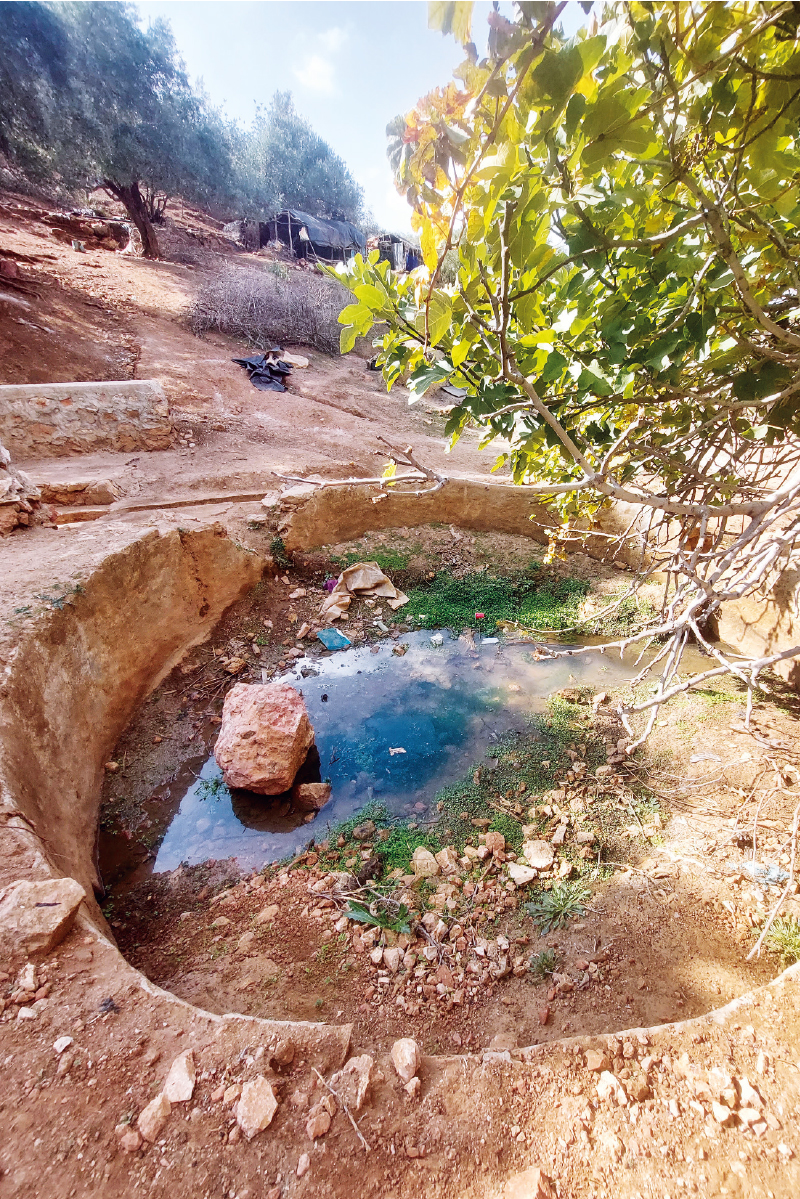
Fig. 4. Ancient Cistern in central Morocco (source: authors)
Surface water harvesting traditional techniques
Surface water harvesting can also refer to RWH and floodwater harvesting. This method is based on collecting and storing rainwater or floodwater in soil, natural reservoirs, or underground for later use. According to Ben Hassen et al. [5], this ancient technique is largely practiced in many arid and semi-arid regions around the world:
- In Tunisia, jessour are utilized as traditional water collection structures made of earthen small dams installed across valley floors to catch rainwater. The main role of jessour is to harvest rainwater from rare events and to transfer it through a terracing system, facilitating the cultivation of crops like olive and almond trees in dry environments.
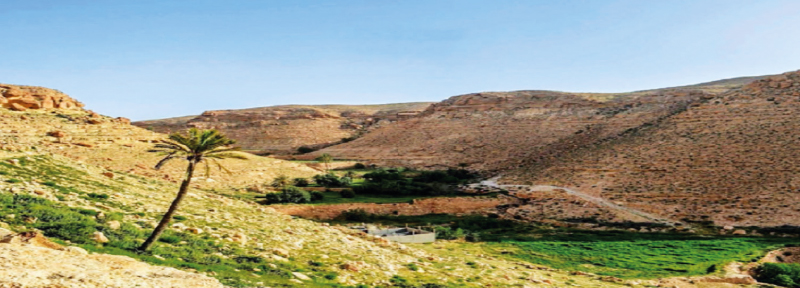
Fig. 5. The jessour system in Tunisia (source: [5])
-
In Yemen, spate irrigation (e.g., Wadis) is commonly used as an ancient and traditional water management method. It is designed using earthen structures to redirect floodwaters by gravity from mountainous catchments to agricultural fields to rapidly irrigate them [5].
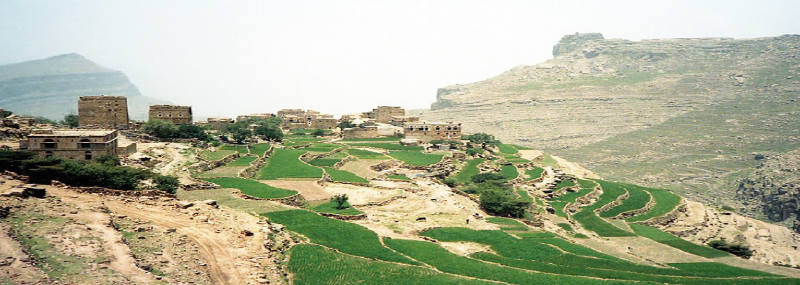
Fig. 6. Spate irrigation system in Yemen (source: [5])
-
In Kenya and Tanzania, sand dams are used to store rainwater in sand in wet seasons to reduce evaporation and to increase groundwater recharge [3].
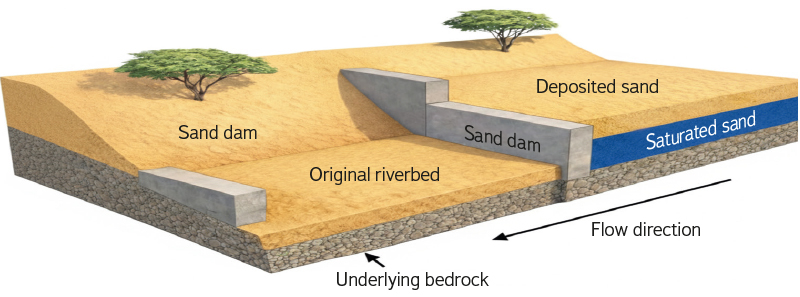
Fig. 7. Cross-section of a sand dam system (source: authors)
Main characteristics of RWHS: innovation, design, implementation, and sustainability
Modernization of traditional RWHS
RWHS have been used for centuries to manage water resources, demonstrating the ingenuity and wisdom of rural ancient populations. Based on this, contemporary researchers are increasingly interested in modernizing traditional RWHS by integrating new technologies and advancements to develop sustainable solutions for water deficiency.
Although the European approach considers rainwater as wastewater, Madomguia et al. [11] underscore that rainwater is a sustainable water resource, distinct from surface or underground water. A recent study by Madomguia et al. [11] highlights the important role of RWH in the Mandra Mountains of Cameroon. In this region, ancient RWHS called the biefs are revitalized by residents to serve as small dams. Additionally, stone terraced systems are maintained through the implementation of green bamboo walls. These methods not only enhance crop yields in terrace farming but also help to mitigate flood risks and provide food and water security in this mountainous area.
Similarly, Carrion-Mero et al. [25] emphasize the use of hydrogeological and geomorphological analysis through Geographic Information Systems (GIS) to more effectively identify hydraulic structures and drainage areas on the slopes of the Chimborazo Volcano in Ecuador. The research advocates for the modernization of the traditional RWHS “Camellones” to increase its efficiency and promote sustainable water management.
In Tunisia, the tabias system serves as an indigenous RWH structure to control flooding. These hydraulic systems consist of stone barriers integrated into terraced farms (e.g., jessour) to catch runoff in order to safeguard farms from flooding and to provide irrigation water. Considering its vital role in agriculture and flood management, the Tunisian government demolished many traditional tabias and reconstructed a significant number of these structures using modern construction tools and techniques [10].
RWHS types, designs, and suitable sites determination
RWHS are characterized by their variety of types and designs according to their geographical locations, hydrological conditions, socio-cultural environment of users, and their purposes of use. Consequently, numerous studies have been conducted in recent years to investigate these systems and to accurately determine their optimal future sites.
- Suitable site selection methods: Selecting appropriate sites for implementing RWHS is a crucial step to ensure long-term sustainability and efficiency of these hydraulic structures [26]. The process of potential site selection typically involves the following steps:
- Study area identification and data collection: Define the study area, and gather relevant spatial and non-spatial datasets, including topographical maps, geological and hydrological data, meteorological records, Landsat 8 remote sensing (RS) imagery, and socio-economic data [4, 27–30].
- Criteria identification and data processing: Determine key criteria based on literature review, field experiences, and the harvested water potential usage. The collected data and criteria are processed and transformed into thematic layers within GIS. Common layers include slope, stream order, drainage density, rainfall, soil type, land use/land cover (LULC), and road networks. These thematic layers are reclassified [26, 28] and standardized using fuzzy membership functions for numerical data and step-wise functions for categorical data [29]. The processed layers serve as GIS inputs for generating a final suitability map.
- Hydrological modeling: To refine the site suitability map, hydrological models such as the Soil and Water Assessment Tool (SWAT) model [27]or the Soil Conservation Service Curve Number (SCS-CN) method [28, 29] can be employed to simulate runoff, infiltration, and sediment yield. Although hydrological modeling is recommended by many researchers, it remains optional to determine the suitable implementation sites for RWHS.
- Criteria weighting and Multi-Criteria Decision Analysis (MCDA): Assign weights to each criteria using methods such as the Analytic Hierarchy Process (AHP) [27] or fuzzy AHP [29]. To enhance robustness of results, some studies incorporate MCDA techniques combined with statistical analysis of spatial associations like Weight of Evidence (WOE) [28] or employ the VIseKriterijumska Optimizacija (VIKOR) method to rank alternatives based on subjective decisions of field experts [29].
- Suitability map generation and visualization: Integrate weighted criteria within GIS to produce a suitability map, classifying the study area into categories such as very high, high, moderate, low, and very low suitability
[1, 4, 9, 27–29, 31, 32]. - Validation and policy alignment: Validate the suitability results by linking them to Sustainable Development Goals (SDGs) and examining their alignment with local governmental policies in the study area [27, 29]. Various modeling tools have been employed to develop RWH suitability maps. These include a GIS-based SWAT model for assessing the sub-daily hydrological influence of RWH on landscape irrigation [33]; GIS-based AHP; machine learning algorithms [28]; and a Markov chain model estimating the transition probabilities between hydrological states to optimize RWH site selection [34]. Collectively, these tools aim to assist policymakers and stakeholders in establishing sustainable water management frameworks.
- RWH types and their design approaches: RWHS exhibit a wide variety of designs, shaped by their implementation in different, diverse cultural and spatial contexts. The table below (Tab. 2), compiled from a review of numerous studies published globally between 2021 and 2025, summarizes the design approaches associated with each existing RWH type. Notably, innovative RWH structures and methods are primarily developed in China, such as Bioinspired one-dimensional (1D) structures [15] and road-based RWH technologies [35, 36]. Conversely, recent research in India emphasizes RWHS that prioritize minimal water contamination, exemplified by designs like the rain saucer [37].
In arid and semi-arid rural regions in Pakistan, Sri Lanka, and Djibouti, traditional RWHS such as ponds, percolation tanks, and small tanks are common. These structures serve as small water surface reservoirs for local uses like irrigation and livestock watering, and they also facilitate groundwater recharge. Their designs are generally simple, reflecting the low construction material requirements. These RWHS are typically located on gentle slopes, generally less than 5 %, with soil conditions tailored to their function: clayey or loamy soils for ponds to minimize seepage, and permeable soils like sandy or fractured rock formations for percolation tanks to allow water infiltration into the aquifers, ensuring groundwater recharge [28, 29]. Small tanks are often interconnected in cascade systems to maximize water distribution and reduce evaporation losses [32].
In Middle Eastern countries, dams and check dams are considered the ultimate solutions to water scarcity. Their design and construction are heavily influenced by local site conditions, particularly local geology and hydrology, to determine optimal shape, storage capacity, and construction materials, which are typically locally sourced, like gravel, clay, and limestone rocks; to reduce construction costs and enhance durability. The primary purpose of these structures also guides their design; check dams are mainly intended for erosion control and RWH, whereas dams serve multiple functions, including flood management, water storage for agricultural, domestic, and industrial use, and power generators [1, 4, 9, 27, 28, 31].
These integrated design methods, combining traditional approaches with modern modeling tools, assist policymakers and investors in identifying appropriate locations for RWHS installation and selecting suitable RWH designs for each site, thereby improving the effectiveness and sustainability of RWH ingenuities [28, 29, 32].
Additionally, Membrane technologies were introduced as a complement to RWHS. They are generally installed downstream of the RWH structures as a rainwater treatment to ensure water quality before its reuse for domestic and agricultural purposes. This method consists of filtering rainwater using different types of membranes (surface membrane, gravity-driven membrane processes, and membrane bio-reactor process) [14].
Considerations for maintenance and sustainability
The durability of RWHS is highly desirable, especially given their positive impacts on multiple levels. Sustainability in RWH concerns the following aspects:
- Full and lasting engagement of all actors
The success of a RWH project ultimately depends on the commitment of all water sector actors, including government agencies, investors, farmers, and the rural population as a whole. This collaboration would simplify the construction, preservation, and maintenance operations of RWH structures [38]. These contributors are instrumental in bringing the project to life, from its inception to installation and operationalization. In addition, Pala et al. [18] emphasize the importance of education and awareness among rural communities regarding RWHS conservation and advocate for the enforcement of laws and amendments to preserve these hydraulic structures. - Maintenance of the RWH structures
Given the high initial costs of modern RWH structures, their maintenance expenses and considerations during the operational phase should be factored in from the feasibility and conceptual stages to ensure their long-term durability [7, 39]. Regular maintenance is crucial to ensure the longevity of RWHS [40]. This includes cleaning water storage tanks, ponds, cisterns, and catchment areas; monitoring odor, color, and chemical qualities of stored water; treating stagnant water before use; and repairing the defective parts of the RWHS [17]. Adequate and periodic maintenance helps preserve the functionality of the structures and ensures the continuity of their positive impacts. - Environmental sustainability
RWH projects have demonstrated positive environmental impacts by contributing to reducing energy consumption, recharging groundwater, mitigating floods, and thereby restoring some aspects of the natural water cycle [19]. This involves encouraging the sustainable use of water resources and preserving local ecosystems. - Socio-economic and environmental assessment of RWHS
While the fundamental principle of the RWH technique is simple: collecting, storing, and providing water, the selection of suitable RWHS implementation sites remains a challenging decision for researchers and decision-makers, as it depends on socio-economic and environmental parameters.
Socio-economic hardships are the main challenges for indigenous peoples in affording water or investing in water structures [6]. Therefore, RWHS offer deprived communities indisputable social and economic benefits [41]. Accordingly, Rodrigues de Sá Silva et al. [7] emphasize the positive socio-economic impacts of using RWHS in agriculture and households in arid and semi-arid regions on the Loess Plateau in China, noting an annual water saving of 75.8 m3 per household and an annual energy saving of 138.6 kWh per household. A similar study conducted by Richards et al. [42] in India found that installing RWHS in rural public schools could save about 25 % of the water used for non-drinking purposes. Additionally, Khanal et al. [43] underscore the importance of RWH users’ awareness of sustainable water management practices and recommend integrating rainwater-related courses into university programs to expand knowledge in this field. However, Xue et al. [44] point out that the economic advantages of RWH and utilization differ considerably depending on the climatic conditions of a region.
Socio-environmental variables such as topographical, climatological, hydrological, agricultural, geological, pedological, and human factors are essential in successfully selecting RWHS potential sites on large-scale regions [45]. In this context, Teston et al. [19] proposed an analysis of the prospective location of RWHS that considers environmental impacts generated by such systems using Life Cycle Assessment (LCA) and water balance modeling tools.
RWHS USED TO IMPROVE THE QUALITY OF AGRICULTURE, LIVESTOCK, AND LIFE IN RURAL HOUSEHOLD
Impact of RWH on agriculture in rural areas
Rural agriculture is menaced by water scarcity that is due to climate change and over-extraction of groundwater [13]. This situation is exacerbated by irregular precipitation patterns and inefficient irrigation structures, particularly in arid and semi-arid regions. To mitigate this issue, RWH appeared as the eventual solution to increase water efficiency and enhance the resilience of rural agricultural systems. RWH is crucial for ensuring adequate water for crop production, which enhances rural economics [12, 30]. In the following, concrete examples of RWH benefits on crop yields were identified based on the reviewed articles.
In arid and semi-arid regions of China, several studies were led on the cultivation of alfalfa in ridge-furrow RWH in combination with biochar by Wang et al. [46] and with chopped straw by Zhao et al. [47]. These studies demonstrated a significant positive impact on crop productivity and an optimized water supply. Consequently, this proves the resilience of high-value crops to drought. Similarly, Chen et al. [48] highlighted the meaningful increase of maize yields in farms relying on ridge-furrow RWHS, which enhances livelihoods of local farmers.
In marginal areas of Zimbabwe, a recent study conducted by Kubiku et al. [49] on two varieties of sorghum as the main food crop in Southern Africa showed that field-edge RWHS are promising low-cost water and nutrient management in sorghum’s rainfed farms, boosting crop productivity and enhancing food security.
In Turkey’s semi-humid Black Sea region, Yildirim et al. [50] led research on the effects of ridge-furrow RWHS on the growth, yield, and quality of red pepper. The findings indicate that RWHS improved red pepper production and contributed to the achievement of sustainable red pepper net income for farmers in the region.
In arid degraded areas of Jordan, two RWHS (the Vallerani and the Marab) were implanted in the Badia region to collect rainwater and support vegetation growth. The study emphasizes the important role of RWHS in enhancing land rehabilitation and sustainable agriculture [51].
In India, [52] recommended using RWH in on-farm reservoirs as a strategic approach to increase second-crop yields and improve water management in small-scale farming communities.
Impact of RWH on livestock and the quality of their products
Water scarcity highly impacts livestock productivity, particularly in dryland regions where the water shortage is a main stressor for cattle. In fact, animals facing water stress often conserve their body water by decreasing feed intake, which negatively affects their health, reproductive performance, growth rates, and product quality [53]. Therefore, sheep are directly affected by water restrictions, losing between 1.2 and 21.5 % of their body weight, as confirmed by Chikwanha et al. [53], influencing meat quality and quantity. Likewise, Halimani et al. [54] found that smallholder sheep farmers in South Africa’s arid areas notice water deficiency as a major risk, pushing them to implement various water management strategies (e.g., RWHS) to alleviate stress on their livestock.
RWH installations become a necessity in arid and semi-arid areas to enhance cattle’s quality by offering additional water supply during dry periods. According to Chikwanha et al. [53] and Halimani et al. [54] access to RWH has a positive impact on livestock productivity and, consequently, on smallholder sheep farmers by enhancing water security and being able to maintain production levels even in drought periods. RWHS allows farmers, particularly underground groups, to invest in supplementary feeding and use adapted breeds to improve animals’ growth, health, and meat quality. Meanwhile, Muhirirwe et al. [55] emphasize the importance of RWHS on dairy production, increasing milk yield and quality by reducing dependency on seasonal water sources and supporting livestock survival. Thus, RWHS guarantee consistent water supply for both animals and crop cultivation, thereby enhancing the nutritional and economic value of livestock products.
RWH and the quality of life in rural households
RWH has shown a significant contributionin converting rural households by mitigating water scarcity, boosting agricultural productivity, and enhancing livelihood resilience in water-scarce regions. From this perspective, a recent study by Waqas et al. [40] revealed that the use of RWH structures to offer additional irrigation in fields increased the food security in Potohar Plateau (Pakistan). Similarly, Gebru et al. [56] highlight the crucial role of RWH technologies in guaranteeing food security for households in Ethiopia’s arid and semi-arid regions. These technologies allow the use of rainwater to cultivate crops during dry seasons and help diversify agricultural production.
In localities where households are exposed to flooding and poor drainages like in Asuncion (Paraguay), RWHS is considered an ultimate solution for managing the risks associated with this natural phenomenon [57].
Domestic clean water supply in rural arid and semi-arid areas is gradually being provided by RHWS. García-Avila et al. [17] reviewed RWH and storing systems and their potential to offer safe drinkable water in rural households, and emphasized the importance of monitoring the stored water quality parameters, such as pH, turbidity, and E. coli, to protect public health. In another study, Osayemwenre & Osibote [58] provided an overview of the health hazards related to RWH from various rooftops (e.g., green, conventional, and photovoltaic rooftops). The research identified potential contaminants like microbes and heavy metals, which may negatively affect the rural population’s health if they are not properly managed. Therefore, García-Avila et al. [17] highlighted the major role of careful selection of materials, regular disinfestation, and maintenance of RWHS to ensure the safe use of these systems.
Despite its benefits for agriculture, livestock, and life in rural households, the adaptation of RWHS faces numerous challenges. Muhirirwe et al. [55] noticed the prohibitive initial cost of RWH innovative structures, although its long-term advantages. Also, Chikwanha et al. [53] and Halimani et al. [54] pointed out that the main obstacles to RWHS installation by small-scale farmers are the limited resources, lack of technical knowledge, and insufficient policy support.
FLOODWATER AND EROSION MANAGEMENT IN RURAL AREAS
RWH and water erosion management
Water erosion is considered the main threat to agricultural lands around the globe. It affects the sustainability of agricultural farms and grazing areas. According to Firoozi & Firoozi [59], water erosion occurs through hydrodynamic forces, where rainwater flows or infiltrates through the soil, thereby removing and transporting soil particles. This process gradually alters the landscape and leads to the loss of cultivable land. To control water erosion Yu et al. [60] insist on studying precipitation regimes because rainfall intensity is considered the primary factor of soil detachment. Therefore, Haddad et al. [61] present RWH as an eventual solution to collect and store runoff, reducing erosion effects and supporting the growth of local plants in the rangeland of Jordan. Analogously, RWH by tied ridges slows down the erosive runoff during extreme rainfall events and harvests water during light rainfall events in Tanzania [62].
RWH and flood water management
Following the climate changes marked by consecutive drought years, irregular precipitation, and unpredictable flood events, the sustainable management of these risks has become increasingly essential, particularly in arid and semi-arid regions. In this context, RWH appears as a dual solution to mitigate flood impacts while storing overflowing water for reuse in rural activities such as crop irrigation, livestock watering, and domestic use. Ansari et al. [63] provide a concrete example of the positive impact of implementing RWH structures in Pakistan, specifically the Mangla Dam. Since its commissioning, the dam has been able to reduce the intensity of flooding in the Upper Jhelum Basin by 20 %, despite its primary objectives being water storage for irrigation and power generation. Similarly, Raoufi & Tsubaki [2] propose an innovative RWHS that transforms floods into a mitigating solution for drought in the Southwestern provinces of Iran. This approach involves renovating traditional RWHS (e.g., qanat, Ab-Anbar) to effectively manage and store excess floodwater for use during drought periods. Meanwhile, farmers in the Jordanian desert use floodwater to support agriculture through a method known as “floodwater farming”. This technique relies on ancient RWHS like wall-and-channel networks to introduce, alleviate, store, and irrigate crops with floodwater [64]. In the same vein, Ndayiragije et al. [39] highlight the important role of floodwater harvesting and reuse in promoting socio-economic development. This practice significantly reduces the energy required for pumping underground water while providing sustainable water for agricultural activities.
Overall, the reviewed studies demonstrate that RWH functions as an effective land and water management strategy, simultaneously mitigating erosion and reducing flood risks. RWHS enhance water infiltration and help protect agricultural land from degradation. Furthermore, the harvested floodwater can be used for non-potable purposes such as irrigation and livestock activities, thereby strengthening resilience in arid and semi-arid regions. Collectively, the literature advocates for the adoption of RWH techniques to promote sustainable agriculture and improve rural livelihoods.
Water government policy related to RWH and floodwater management
Given the current global situation marked by successive drought years and irregular rainfall patterns, especially in arid and semi-arid regions, exacerbated by phenomena such as water erosion and flooding, integrating RWH in its diverse forms into water resource management policies has become an obligation for countries. This integration aims to ensure sustainable water management in agriculture and to better handle risks related to water erosion and floods.
Saudi Arabia suffers from severe water scarcity due to high evaporation and low rainfall, and the significant water use in agriculture (87 % of the kingdom’s water). Consequently, the Saudi Arabian government has been prompted to adopt advanced strategies in the agricultural sector, such as integrating precision irrigation, encouraging less water-intensive crops, and enhancing RWH structures and fog water collection [65]. In the same vein, Egypt is affected by serious water scarcity problems like flash floods and the salinization of groundwater. These challenges highlight the necessity of identifying suitable RWH sites and combining this technology with hydrological modeling to decrease flash flood risks and enhance aquifer recharge, thus supporting agricultural and domestic water needs [38]. Similarly, community engagement and strengthening of RWHS are considered as strategic policies to handle risks related to excessive rainfall and floods in India [66]. Meanwhile, Tunisia established a hydro-social strategy based on investments in soil and water infrastructure to improve the collection and reuse of stormwater [67]. Also, Bangladesh confronts extreme meteorological conditions and uncontrolled water usage, which make is necessary to implement community-based RWHS (CBRWHS) and promote government financial and technical support to boost RWH installations in coastal locations [68]. Moreover, including RWHS in water management strategies and empowering local governance to design and maintain these hydraulic structures in LMICs will reduce the negative impact of flooding, drought, and unpredictable water availability in these regions [8]. Additionally, adopting natural-based solutions to rehabilitate degraded water infrastructure and engaging local communities in water management policies in Africa’s arid and semi-arid lands will reduce land degradation and enhance water supply for agriculture and domestic usage [3]. Despite differences in governance, climate conditions, and technologies across regions, the literature recommends that integrating RWHS into broader climate adaptation and water security strategies can effectively support sustainable development in water-scarce areas. However, the success of such initiatives largely depends on the active participation of all actors, including policymakers, researchers, investors, and local communities, in the planning, implementation, and management of these hydraulic structures.
CONCLUSION
The current paper presents a systematic review of RWHS studies using the PRISMA approach. The review includes publications from January 2021 to December 2025, sourced from ScienceDirect and Scopus databases, with a focus on articles indexed in Scopus.
A comprehensive analysis of 66 selected articles has been conducted to develop an in-depth literature review that highlights various aspects of RWHS, emphasizing their vital role in water resource management, particularly in arid and semi-arid areas experiencing severe droughts and water scarcity.
The study synthesizes ancestral RWH practices and explores their cultural significance across the Middle East, Asia, North Africa, and Sub-Saharan Africa. It also gives insights into their modernization efforts, especially the integration of new technologies and advancements in developing sustainable solutions for water shortage and flood control.
This review underscores the importance of innovative methods employed worldwide to identify potential sites of RWH structures, considering the diversity of types, designs, and socio-economic and environmental parameters. Such an approach assists decision-makers and investors in identifying suitable locations for implementing various types of RWHS.
Despite the dual benefits of RWHS in providing water to enhance agriculture, cattle, and rural livelihoods, as well as mitigating floods and water erosion, these systems are yet to be fully integrated into water management policies of several water-scarce countries. Challenges for sustainable water resource management using RWHS include raising consciousness and education among rural communities regarding the use and conservation of these hydraulic structures, as well as establishing strong institutional support mechanisms.
In conclusion, future research should focus on evaluating governmental and institutional frameworks to expand the adoption of RWHS in arid and semi-arid regions, promoting their role as a sustainable technique to mitigate water deficiency.
